
The Autumn Budget should be about creating confidence and encouraging investment.
The Ulster Farmers’ Union (UFU) is calling on the Chancellor to use the forthcoming Autumn Budget to reconsider the introduction of the UK Carbon Border Adjustment Mechanism (CBAM) on fertiliser, warning that increasing the cost of one of farming’s most essential inputs would be counterproductive at a time of global uncertainty.
The UK CBAM is currently due to come into force on 1 January 2027 and will apply a carbon price to specified imported goods, including fertiliser. The UFU has called for its introduction on fertiliser to be suspended until a full assessment has been undertaken of the potential impact on agricultural input costs and domestic food production.
In its 2026 Autumn Budget submission, the UFU warns that while fertiliser importers may be directly responsible for CBAM liabilities, farmers are the ultimate users of fertiliser and risk carrying additional costs passed through the supply chain. The Union has also highlighted the continued uncertainty surrounding rates and default emissions values ahead of implementation.
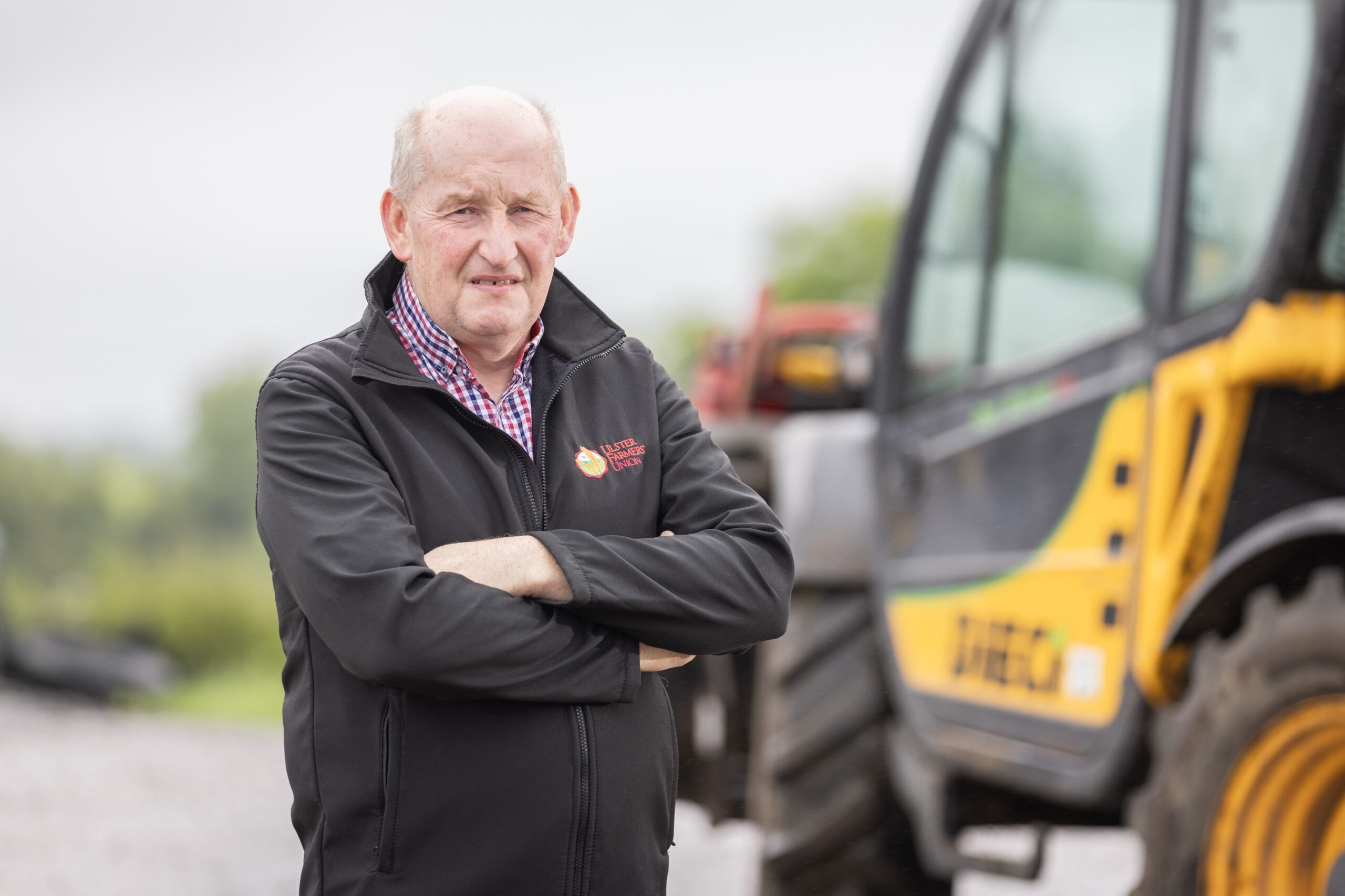
UFU deputy president Glenn Cuddy said, “Food security is a strategic national asset and government policy needs to treat it accordingly. At a time of considerable geopolitical uncertainty, the priority should be strengthening our domestic capacity to produce food, not increasing the cost of doing so. Fertiliser is not an optional extra for productive agriculture. It is a fundamental input into food production. Farmers have already experienced extraordinary volatility in fertiliser, energy and other input costs in recent years. Introducing another cost onto fertiliser at this point risks working directly against the Government’s objectives for food security, productivity and economic growth. Good environmental policy must also be economically sustainable. We should not pursue one policy objective in isolation while inadvertently undermining another.”
The UFU’s pre-Budget submission notes that agricultural input costs remain considerably above 2020 levels. DEFRA’s Agricultural Price Index showed that by May 2026 the overall cost of agricultural inputs was 36.2 per cent higher than in 2020, with energy and lubricants 80.6 per cent higher and fertilisers and soil improvers 121.5 per cent higher.
Recent reporting has also highlighted continuing concerns around fertiliser markets and CBAM, including the potential implications for fertiliser costs. Mr Cuddy continued, “Farmers cannot continually absorb additional costs. Most are price-takers and have very limited ability to pass increased production costs further along the supply chain. This is also happening against a backdrop of volatile fuel and energy costs. The Government itself recognised those pressures when it reduced the duty on red diesel earlier this year. That support was welcome, but allowing fuel duty to rise again while simultaneously introducing a new cost affecting fertiliser would send completely the wrong signal to farm businesses.”
The UFU’s Budget submission calls for the current rebated fuel duty rate for agricultural red diesel to be retained beyond December 2026. Without further government intervention, the submission notes that the duty rate is scheduled to increase in 2027.
Mr Cuddy said, “Our message to the Chancellor is straightforward. This is not the time to make food production more expensive. There is a wider strategic question here. Recent years have demonstrated how quickly conflict, energy disruption and interruptions to international supply chains can affect the availability and cost of essential agricultural inputs. A country that values its food security must value the businesses and inputs required to deliver it. We want to see the Government pause the application of CBAM to fertiliser and undertake a proper assessment of what it will mean for fertiliser prices, farm businesses and ultimately domestic food production. If Government nevertheless intends to proceed, farmers and the fertiliser industry need clarity well in advance on the rates, emissions values and likely costs involved.
“The Autumn Budget should be about creating confidence and encouraging investment. Our farmers are ready to invest, improve productivity and play their part in strengthening the UK’s food security. Government must ensure that its tax policy helps rather than hinders them in doing so.”
The UFU’s wider A Budget to Back Farming submission calls for a package of measures including restoration of 100 per cent Agricultural Property Relief and Business Property Relief, an increase in Northern Ireland’s agricultural funding baseline, retention of the reduced red diesel duty rate, changes to capital allowances and a proportionate approach to future labour costs.
To read more on our Budget to Back farming campaign click here.