
Blog by technical manager Sarah Wilson
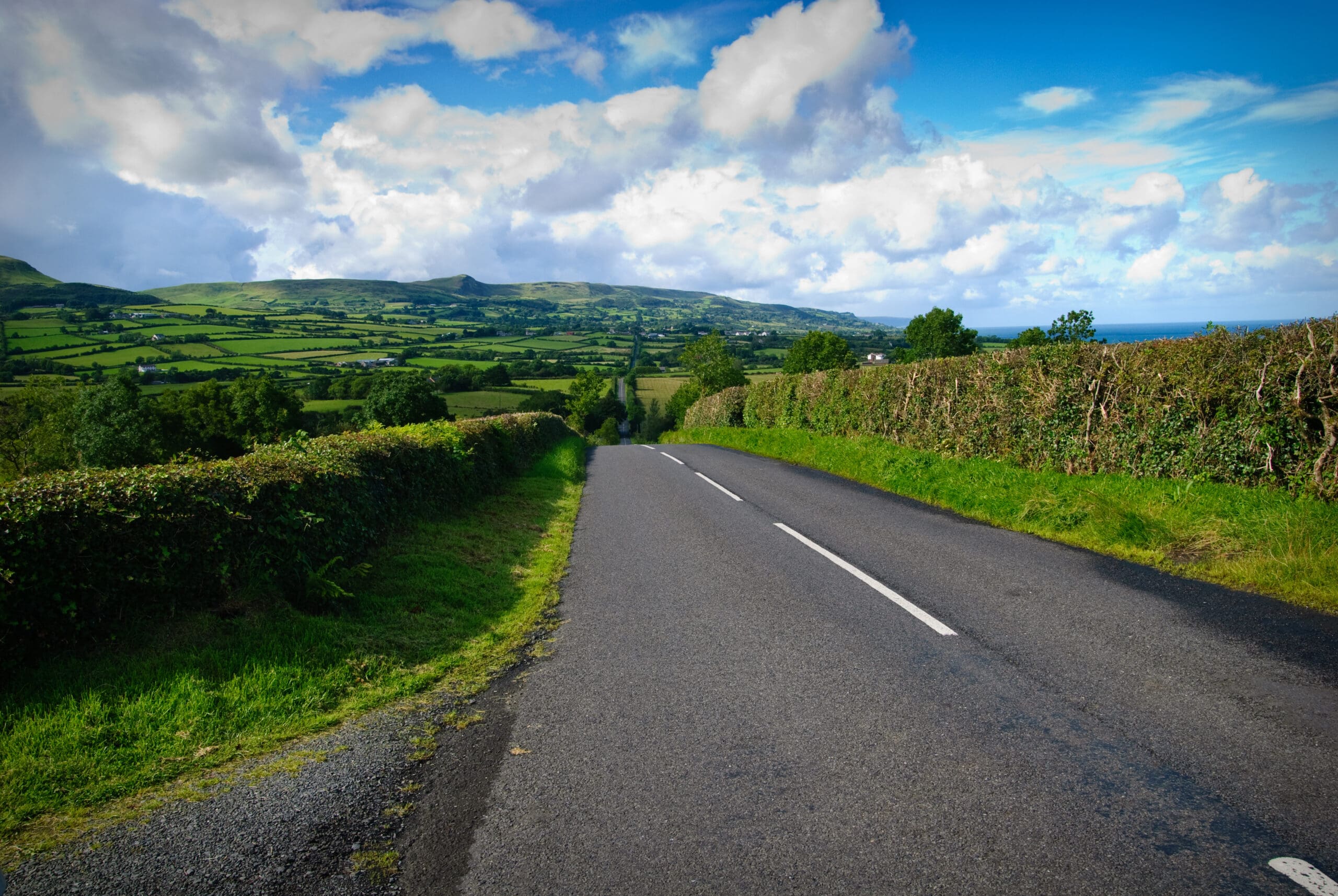
Ulster Farmers’ Union (UFU) technical officers deal with a wide range of queries from members, and act as a liaison for farmers between both statutory and non-statutory bodies, including the Department of Infrastructure (DfI) road service. Whether it is visibility at junctions, the need for warning signage, reporting road defects, or applying for planning permission for new field entrances, farmers often find themselves caught up in lengthy procedures to implement changes that support day‑to‑day farm operations. The UFU plays a key role in helping members resolve these issues, ensuring that responses to queries are timely and farm business needs are properly considered.
A recent case in Ballymena, highlights how proactive engagement can deliver meaningful improvements. A member contacted the UFU because new and existing road signs at the Ballycowan and Valley road junctions on the Lisnevenagh road were obstructing the view of tractor drivers, due to higher seating position in agricultural vehicles. This created a safety risk, particularly on a busy stretch of dual carriageway where vehicles are moving at speed.
The technical officer visited the site, gathered photographic evidence and submitted a formal request to DfI roads asking for the signage layout to be reviewed. Local councillors also made representations to roads service, reinforcing the concerns raised by the member and other constituents. Following its assessment, DfI roads confirmed that the new signs would be moved further back from the junctions. It also agreed to consider adjusting the height of an existing sign to further improve visibility for agricultural vehicles. This outcome demonstrates the value of coordinated engagement and the importance of providing clear evidence to support any request.
In addition to moving signs, farmer can apply for warning signs for example cattle crossing signs. Technical officers can help farmers apply through their local DfI roads division office. There is no single online form for this specific request and decisions are made on a case-by-case basis. technical officer help build a case as to why the sign is required by clearly setting out herd movement patterns and any relevant traffic observations.
Members also frequently raise concerns about road defects such as potholes, damaged verges, and blocked gullies that mean road run off is flowing into their fields. These issues can be reported directly through NI Direct, but many farmers do not have the time to complete online forms or chase up responses. The UFU technical team can submit these reports on behalf of members and, importantly, keep pressure on Roads Service when follow‑up is slow. Persistent engagement often makes the difference between a fault remaining unresolved and action being taken.
Another area technical officers can provide support with is applying for temporary road closures to facilitate roadside field work. In situations where hedge cutting, tree removal, drainage repairs or machinery movements cannot be carried out safely with traffic, a formal road closure may be required. Technical officers can guide members through the process, liaise with Roads Service and ensure that applications are submitted correctly so that work can proceed without unnecessary delay.
While these issues can feel small compared to the wider pressures facing the industry, they have a direct impact on daily farm operations. By working closely with members and engaging constructively with DfI roads, the technical team ensures that farmers’ concerns are heard and that practical solutions are put in place.