
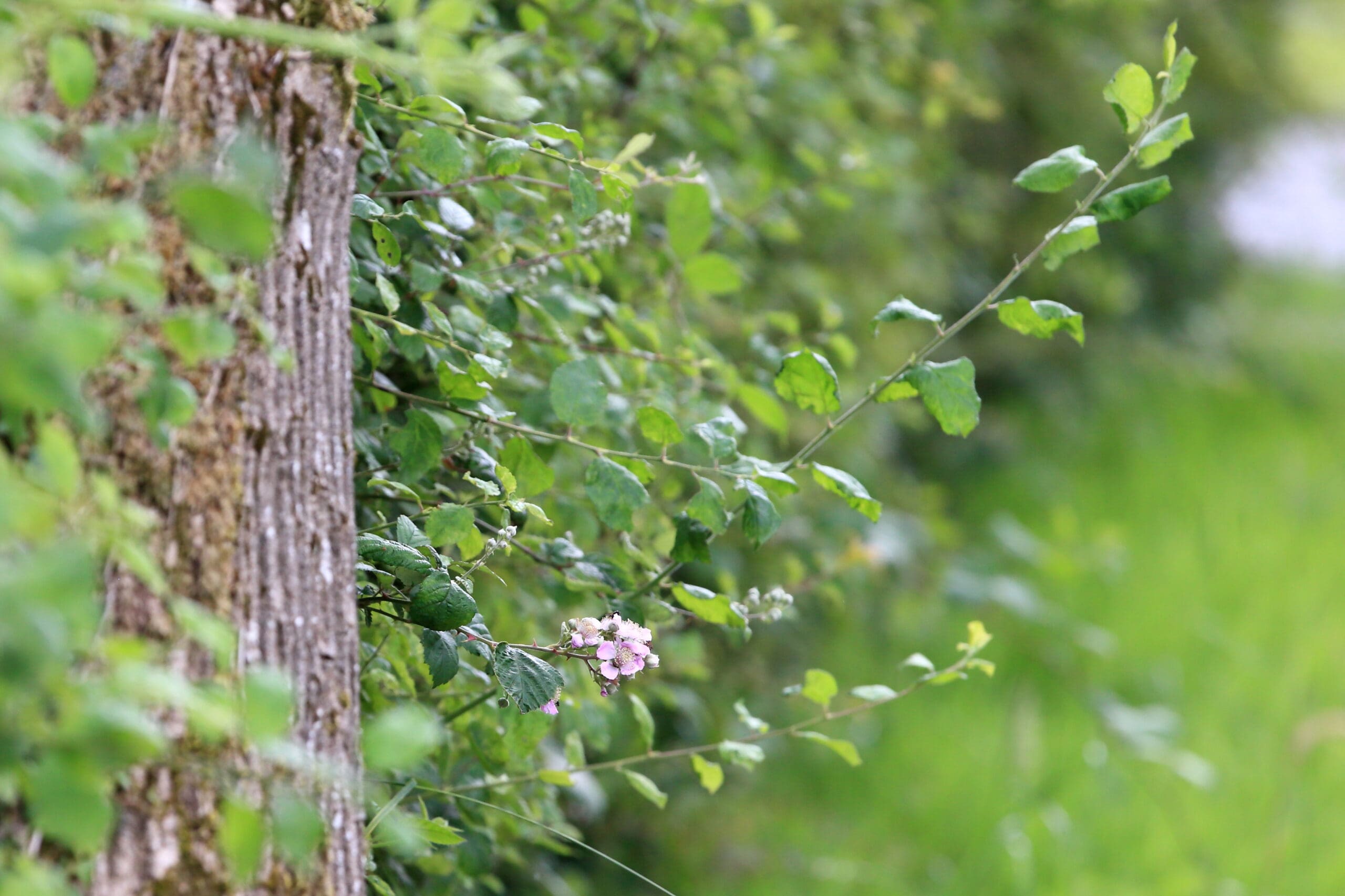
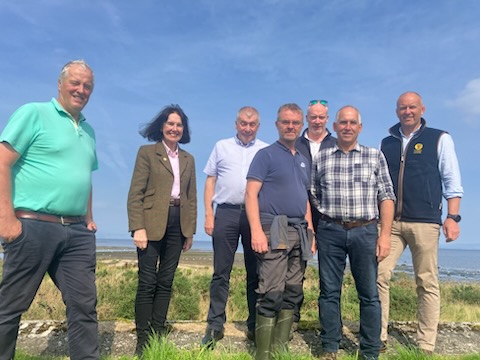
County Fermanagh countryside. Picture: Cliff Donaldson
Written by UFU senior policy officer, Patricia Erwin
The Official Controls (Plant Protection Products) Regulations (Northern Ireland) 2020 (OCR)
The OCR applies to all professional users including farmers using plant protection products (such as insecticides, fungicides, herbicides, molluscicides, and plant growth regulators), across all sectors including agriculture, horticulture, amenity and forestry.
You are required to comply with the OCR if as part of your work / business activity you:
- store professional use plant protection products (PPPs);
- apply professional use PPP’s yourself; or
- have professional use PPP’s applied by a third party / contractor on your behalf.
Operators and businesses may be inspected under the powers given by The Official Controls (Plant Protection Products) Regulations (Northern Ireland) 2020 to ensure they comply with existing PPP legislation, including The Plant Protection Products Regulations (Northern Ireland) 2011 and The Plant Protection Products (Sustainable Use) Regulations 2012. Registration is your way of confirming to DAERA that you are complying with the regulations. A farmer is classified as a professional user.
Separate registers have been compiled by Defra for businesses located in Great Britain (England, Wales and Scotland).
Why register my details with the Competent Authority?
If your business activity involves plant protection products (pesticides) you must comply with the Official Controls (Plant Protection Products) Regulations (Northern Ireland) 2020.
Farmers can access the registration link on the DAERA website. This link is currently live and has been operational for some time.
Transition from paper record keeping
UFU also held discussions with DAERA regarding the transitioning from current paper record keeping official control requirement to mechanical readable (electronic) official control record keeping. UFU Chairs from all sectors along with Industry representatives had the opportunity to meet with DAERA officials to discuss how best to take this transition step going forward. Full details are available on the DAERA pesticide website.
Note: 2026 will be a consultative transitional window for the user and DAERA progressed pilot template for use and testing.
Equine – registration requirement reminder
From 1 February 2026, Registration of Equine Establishments (obtaining an Equine Establishment Number (EEN) will be required when you apply for a horse passport, apply to update an existing horse passport, or apply for a replacement/duplicate horse passport. You should therefore ensure that you register your equine establishment now in advance of this date to avoid any delays in your passport application(s). It is a legal requirement to hold a valid, up to date passport for your equine.
You may be unable to sell, buy, move, transport, or export your equine if you cannot provide a valid EEN and keep your passport up to date. Moving your equine to Great Britain, Ireland or other countries for competitions, shows or other activities requires an up-to-date passport and possibly an export health certificate (subject to export destination), which requires an EEN. Full details on DAERA website.
EU harvest overview
The outlook for the 2026 EU harvest has deteriorated significantly since early summer, primarily because of prolonged heatwaves and drought across western and southern Europe. While northern and eastern regions have been more resilient, losses in major producing countries are outweighing gains elsewhere.
Total EU+UK grain production is now forecast at 286.6 million tonnes, down from 311.3 million tonnes in 2025 (-7.9%) after an exceptional 2025 harvest. This is also around 12 million tonnes lower than COCERAL’s March forecast, illustrating the impact of the June and July heatwaves.
After the Copa cereals, oilseeds and protein crops working party on 11 September a better picture of the situation should become clearer also with an indication of planting intentions.
Peat Fee – transitioning
UFU attended a recent meeting attended by DEFRA officials to discuss the importance of access to peat and the necessity for a meaningful transitional window to sustain a healthy horticulture industry in Northern Ireland. Consideration was given to infrastructure, supply challenges, economic and necessary support mechanisms that will be much needed for the sector to ensure growers stay in business and local nourishing food remains on the shelves.
Related Stories
UFU welcomes extension of Protein Crop Scheme
UFU raises ongoing concerns over Farming with Nature mapping constraints