

Commodity Watch written by Senior Policy Officer, Patricia Erwin
Arable NI 2026
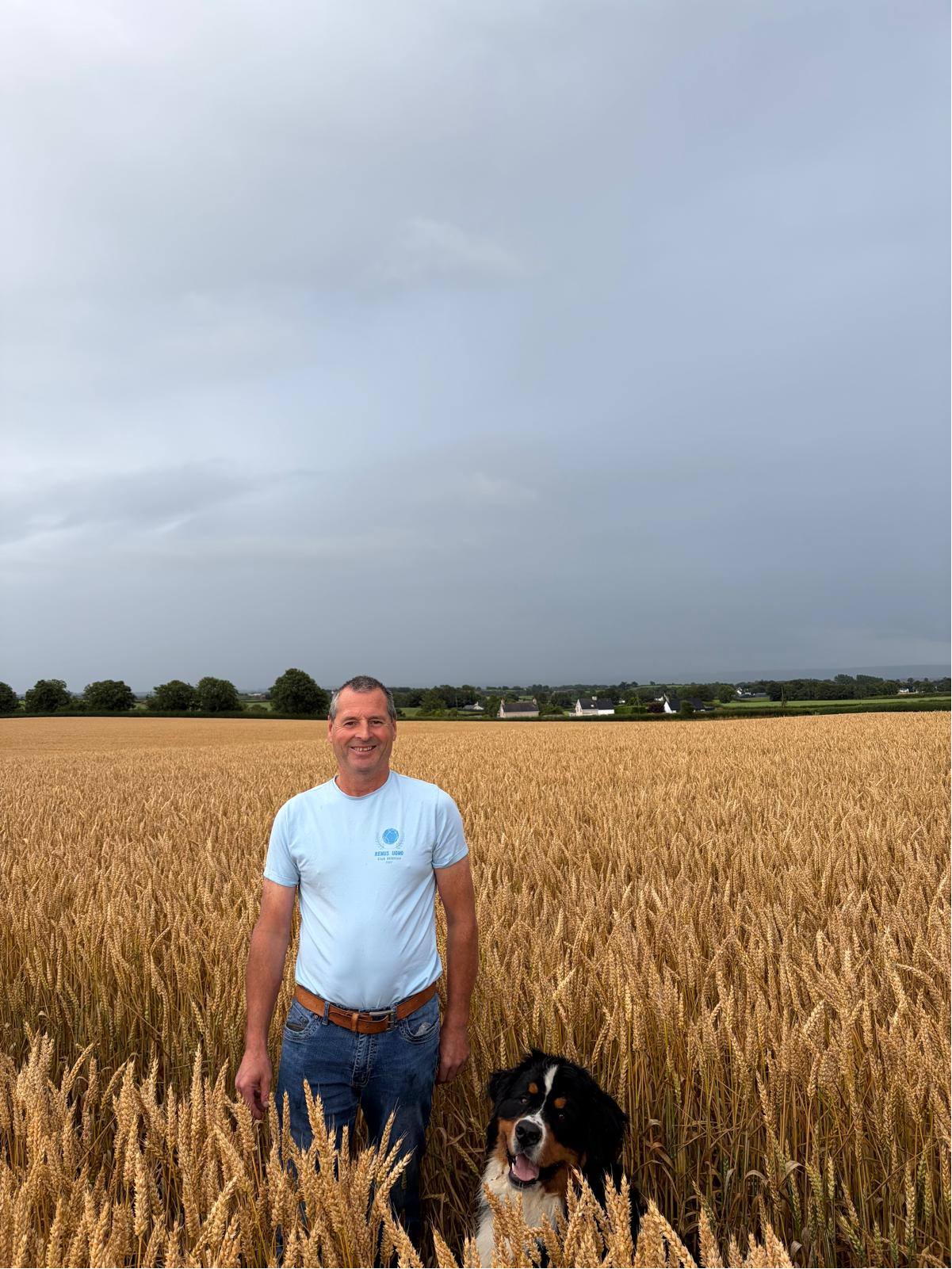
UFU Arable and Horticulture committees supported Arable NI 2026. This event was organised by UAS UFU and CAFRE. The on-farm event was hosted by UFU Seeds & Cereals Vice Chair Tom Wells. Arable NI 2026 was a huge success supported by farmers, industry and government officials.
UFU help celebrate – World Eat your Vegetable Day
UFU support World Eat Your Vegetables Day. Local farmer William Miller from Limavady visited Ballytober Primary School to teach the pupils how onions are planted and grown. Pupils participated, planting some onions on site.
In advance of the visit the pupils got creative at home by making vegetable critters and these artful critters were amazing. It was great to see so much imagination and creativity using a range of different vegetables.
Future support for Arable
UFU continue to lobby DEARA officials seeking meaningful, timely and long-term support for cereal growers. At a recent UFU Seeds & Cereals Committee members voiced their concerns about the lack of meaningful support from DAERA AFBI and CAFRE. UFU continue to lobby on behalf of the industry.
EU/UK SPS Agreement
UFU Continue to monitor the negotiations and await clarity on date for summit reported to be mid-July.
New Genomic Techniques update
Europe says Yes to innovation: New Genomic Techniques (NGTs) legislation crosses the finish line.
This marks an important step towards modernising a legislative framework that, in some cases, has not been significantly changed since the 1960s. Essentially, the legislation collects 10 acts into one, regulating the breeding and selling of reproductive materials such as seeds, roots and tubers. The final text is not yet made public.
Copa and Cogeca welcomed the final approval by the European Parliament of the Regulation on New Genomic Techniques (NGTs). This is a landmark decision that opens the door to the next generation of crop varieties for European agriculture. Farmers support the new framework, expected to accelerate the development of improved plant varieties that are more resistant to pests and diseases, better adapted to climate stress such as drought and heat, and capable of delivering more stable and higher yields. At a time when European agriculture faces increasing climate, environmental and market challenges, access to better-performing crop varieties is essential to ensure food security, sustainability and competitiveness.
With the legislative process now completed, this now sits with the European Commission, who will be responsible for preparing the implementing acts, guidance and Code of Conduct necessary for the practical application of the Regulation.
The farming unions ask for a timely, pragmatic and science-based implementation process developed in close consultation with farmers, cooperatives, breeders and the wider agri-food chain.
The new framework is expected to become fully operational within the next two years. It is therefore essential that work on the secondary legislation starts without delay, providing legal clarity and ensuring that innovation can reach farmers and agri-cooperatives as quickly as possible.
The vote was a major milestone. The focus must now be on delivering the rules and guidance that will allow effectively European farmers to access the next generation of crop varieties and fully realise the benefits of this innovation.
Related Stories

UFU welcomes extension of Protein Crop Scheme
UFU raises ongoing concerns over Farming with Nature mapping constraints