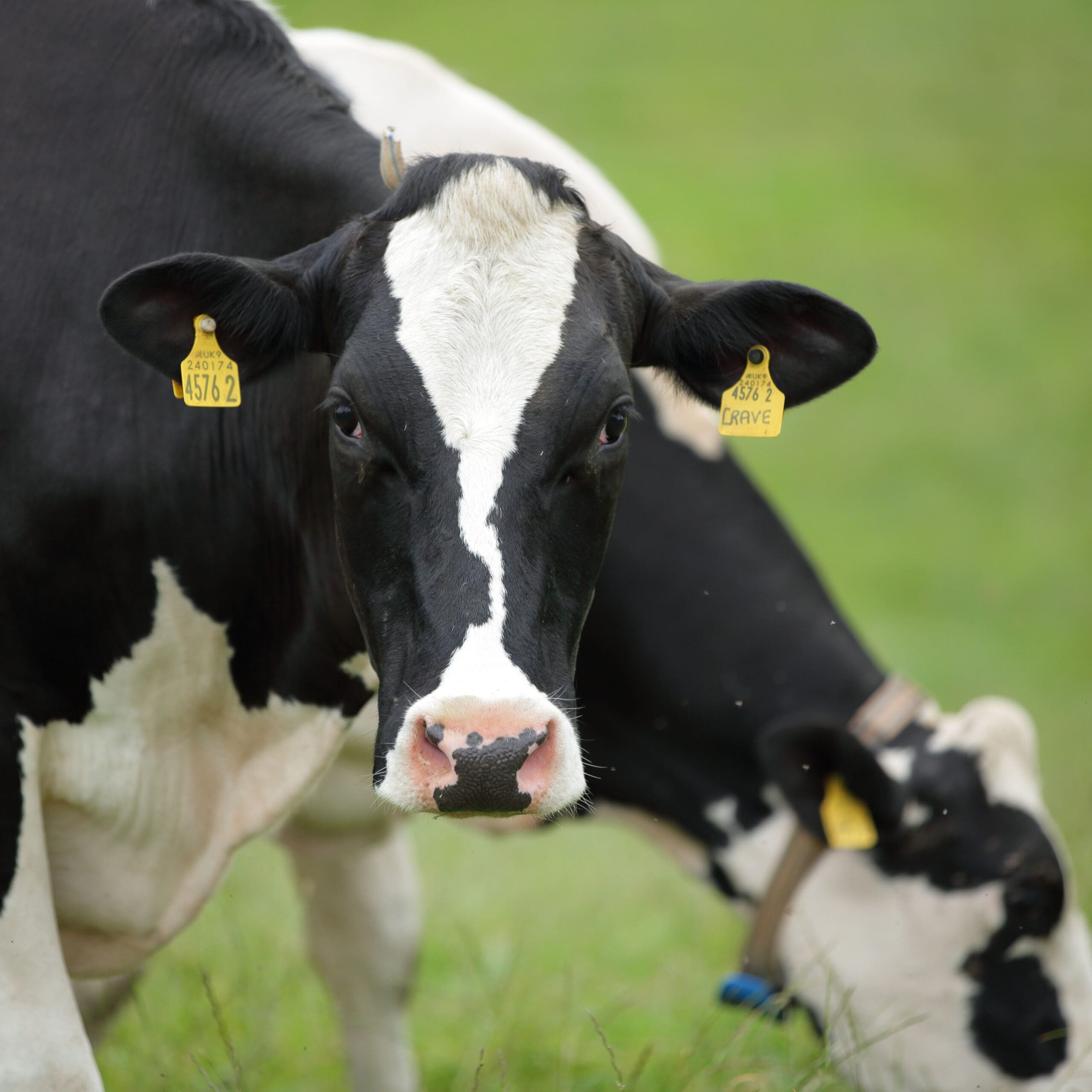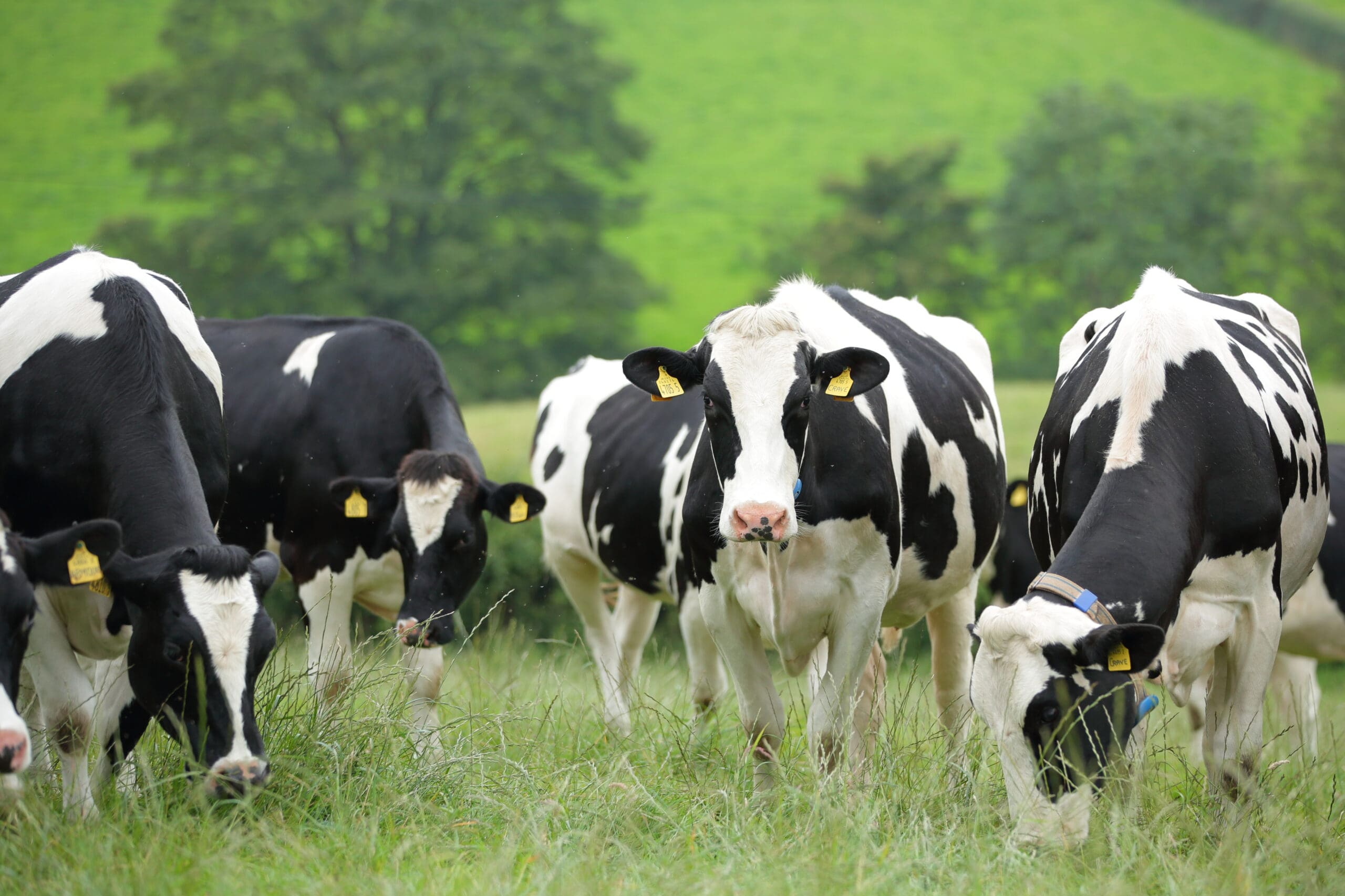


Dairy cows on William Irvine’s farm. Picture: Cliff Donaldson
As summer 2026 begins, many farming businesses continue to face significant challenges. Falling output prices and rising input costs “agflation” are squeezing margins across much of our agricultural sector. The Andersons Centre reported a 5.8% decline in agricultural output prices, while agricultural input inflation reached 8.4% in the year to April 2026. Well above the Bank of England’s 2% inflation target, highlighting further the cost pressures facing many farm businesses.
Described as a ‘cost of farming’ crisis, the dairy sector is particularly exposed to these increased costs and reduced output prices, with current milk prices 25% lower than a year ago. Coupled with recent global uncertainty that has helped to accelerate the cost of energy, feed and fertiliser the dairy sector will be faced with an even more challenging second half of 2026.
When comparing both fertiliser and red diesel costs in April 2026 with April 2025 relative to milk both have more than doubled. Highlighting the sharp deterioration in the purchasing power of milk. In April 2025 it would have taken approximately 800 litres of milk to purchase one ton of fertiliser, in January 2026 it would have taken in the region of 850 litres and April 2026 it would have taken approximately 1,700 litres. When looking at red diesel in April 2025 it would have taken approximately 1.7 litres of milk to purchase one litre of fuel, in January 2026 it would have taken 2.5 litres and in April 2026 it would take 3.8 litres of milk to buy just one litre of red diesel.
With no output price increases forecasted and with inputs predicted to remain high throughout 2026, this situation may inadvertently help to address the UK over supply imbalance, though a substantial fall in milk production remains very unlikely.
Milk production throughout the UK usually peaks in the first half of May. UK production peaked at 332 million litres during the week, with Northern Ireland producing in the region of 64 million litres of milk. The 9th May saw GB production peak with at a total of 39 million litres, the highest ever recorded. In NI peak day, 2nd May seen production peak at 9.3 million litres. The UK also set a new record of 47.9 million daily litres. With peak having passed, in theory we are now on a slide with production falling back 1% per week on average, rising to 1.5% in mid-June.
AHDB reported an increase in cow culling rates, with the latest data to the end of February pointing to an additional 8,000 head of dairy cattle being culled this year compared with last year. With higher input costs and unprofitable milk prices likely to push further the numbers of cow being culled throughout 2026. Production is expected to be impacted but ‘a production crash’ still remains unlikely.
The summer of 2026 presents significant challenges for UK dairy and our other farming sectors. Falling output prices, rising input costs, and ongoing global uncertainties are placing unprecedented pressure on margins. While milk production remains resilient and a sharp production crash is unlikely, the continued rise in costs particularly for feed, fertiliser, and energy threatens farm profitability and may ultimately drive the further culling of more dairy cows. Farmers are resilient, having faced and overcome similar challenges before. Yet, when it comes to producing food, it has become almost ‘normal’ for farm businesses to just get on with it, even when the finances no longer make sense. One clear solution would be to ensure our farmers receive a fairer price for their produce.