

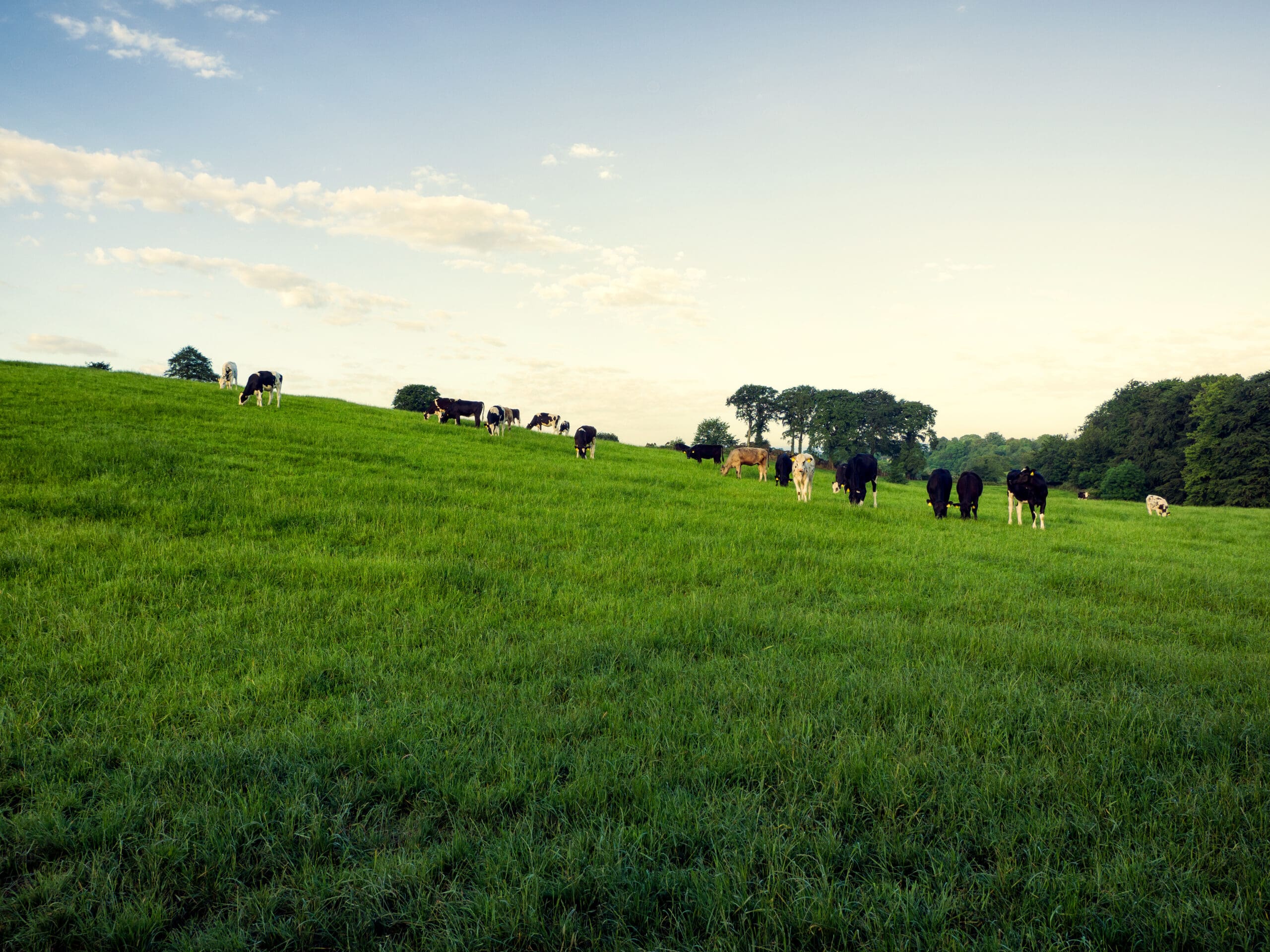
summer countryside morning,Northern Ireland
Commodity Watch written by policy officer, Kayleigh Ashton Meek
Over the past couple of weeks, the UFU has worked with DAERA, DAFM and the Irish Farmers Association on making changes to Bluetongue trade restrictions that will benefit the largest percentage of the agri-food industry. Whilst the derogation put in place allows for free trade of sheep and cattle between NI and ROI, easing the pressure on local farmers, it also widens the risk of disease outbreaks from mainland Europe, and we need to remain vigilant to any changes to the health of our livestock.
Given the elevated level of animal disease activity across Europe, strict biosecurity remains one of the most important measures for protecting livestock health and preventing farm-to-farm transmission. Diseases such as African Swine Fever, Foot and Mouth and Newcastle Disease can spread rapidly through indirect routes including contaminated equipment, clothing, vehicles, feed, and contact with wildlife. Robust biosecurity protocols such as controlling visitor access, maintaining effective cleaning and disinfection procedures, preventing contact between livestock and wild animals, and carefully managing animal movements significantly reduce the risk of introduction and onward spread of infection. In periods of heightened regional disease pressure, consistent adherence to these measures is critical to safeguarding animal health, protecting farm productivity, and limiting wider economic impacts on the livestock sector.
African Swine Fever
In recent weeks, African swine fever (ASF) has continued to circulate across Europe, with cases reported in both wild boar and domestic pig populations. During the first two months of 2026, ASF was detected in around 16 European countries, with nearly 2,000 new cases reported, highlighting ongoing disease pressure in the region. Most cases occur in wild boar, which act as an important reservoir for the virus and contribute to its spread across borders. Recent developments include the westward spread of the disease in Germany and new detections in Spain near Barcelona, prompting expanded restriction zones and heightened surveillance. Additional outbreaks have also been recorded in countries such as Bosnia and Herzegovina, Croatia, Moldova, Latvia and Romania. Although ASF does not infect humans, it causes severe mortality in pigs and significant economic impacts on the European pig industry, requiring strict biosecurity measures and trade controls to limit further spread.
Foot and Mouth Disease
Back in December 2025, Foot and Mouth Disease (FMD) was detected in the northern, Turkish region of Cyprus, which was the first outbreak in Cyprus since 2007. Whilst this had a limited increase in risk for UK and ROI disease outbreaks, the disease has continued to spread and was detected in the EU region of Cyprus at the end of February 2026. FMD has been confirmed in many farms across the Larnaca district of Cyprus, with 33 farms reporting infection to date (11th March). Strict control measures have been put in place, such as movement bans, quarantine zones, enhanced surveillance and a large-scale vaccination campaign. All animals in infected herds or flocks are being culled to limit further transmission.
Whilst the risk of incursion from Cyprus is low, it shows that the agri-food industry needs to remember that biosecurity is key to keeping disease out of the island. Farmers should limit any imports of animals from mainland Europe, anybody travelling should avoid bringing meat or dairy products home, and hauliers must ensure that any vehicles are cleansed and disinfected thoroughly before entering the UK or ROI.
Newcastle Disease
Newcastle disease (ND) activity has increased in parts of Europe, particularly affecting poultry in Central and Eastern regions. Since early 2026, multiple outbreaks have been reported in Poland, where at least 17 outbreaks in commercial poultry farms have been recorded since late January, affecting large numbers of birds and prompting strengthened surveillance and control measures. Additional cases have been detected in Germany, including a February 2026 outbreak on a turkey farm in Brandenburg—the country’s first confirmed poultry case in decades—while sporadic detections have also occurred in countries such as Spain, Lithuania, Slovakia and Czechia, mainly in non-commercial or backyard flocks. The spread has raised concern across the region and led to increased risk assessments and enhanced biosecurity measures, as Newcastle disease is a highly contagious viral infection that can cause severe respiratory and neurological symptoms in poultry and significant economic losses for the sector.
Whilst laying hens are generally vaccinated against ND, there is still a risk of incursion to broiler farms, backyard flocks and wild birds. Poultry units should already be working to a high level of biosecurity whilst we are in a high risk period for Avian Influenza, but this should remain as the best route for controlling ND.
Overall, UFU continues to remind farmers, members of the public, and everyone in the agri-food sector, that biosecurity remains the gold standard for protecting against disease incursion.
Related Stories

Farmers left in the dark on bluetongue as DAERA silence continues

DAERA to pay laboratory fees for bluetongue testing