

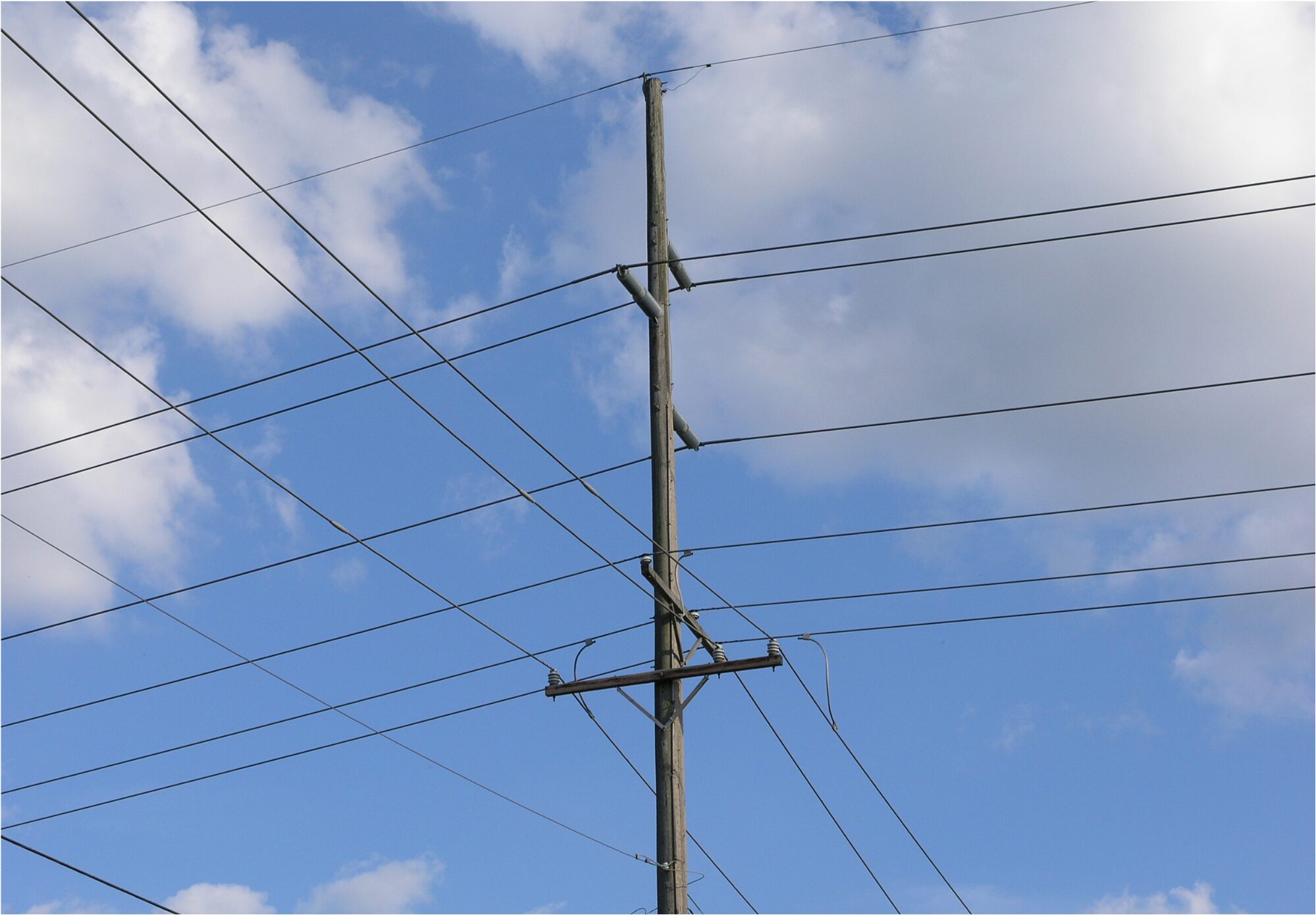
UFU technical manager blog, written by Sarah Wilson
Utility providers play an essential role in maintaining the infrastructure that supports electricity, water, gas, and telecommunications across Northern Ireland. To ensure continuity of supply, these companies have statutory powers that allow them to enter private land to make repairs or install new equipment.
Rights of Access
Utility companies such as NIE Networks, NI Water, and various telecommunications providers are legally entitled to access land to inspect, maintain, repair, or upgrade their equipment. These powers exist to safeguard public services and ensure that critical infrastructure remains operational.
While farmers cannot prevent essential works, they can request reasonable adjustments to how and when access and works occur. For example, farmers may ask that works be scheduled outside peak farming periods – once crops are harvested and slurry is spread; or that access routes avoid sensitive areas such as fields with grazing livestock or recently planted or reseeded fields.
Often, many farmers delay access until spring and summer fieldwork is completed, meaning utility companies may not enter land until autumn. Depending on the extent of the work required, and where along the line a farm is located, this can result in works continuing into winter when ground conditions are wet. Farmers should carefully review proposed access routes to minimise ground damage. It is essential that utility companies make every effort to accommodate such requests where possible.
Importance of accurate record‑keeping
Clear and comprehensive documentation is vital throughout any engagement with a utility provider. Farmers should maintain written records of all discussions, agreements, and site meetings, including:
- Project manager details and contact information
- Agreed timelines for access, works, and reinstatement
- Maps or plans showing proposed access routes and locations of poles, stays, pipes, or other apparatus
- Commitments made regarding minimising disruption
- Out‑of‑bounds areas
Photographic evidence is equally important. Farmers should take images before works begin, throughout the construction period, and after completion. Many contractors will also record photographs during a project, but farmers know their land best and should document fields, laneways, hedgerows, gateways, and any other areas where machinery will operate. These photographs provide essential evidence if reinstatement or compensation is required.
Reinstatement and compensation
Farmers are entitled to fair compensation for disturbance, crop loss, land damage, or other recorded damage. Reinstatement should return the land to its previous condition as far as reasonably practicable.
It is important to note that it becomes significantly more difficult to make the case for reinstatement or compensation if a farmer has already taken remedial steps or if ground has rested and begun to naturally recover.
Support from UFU technical officers
While land may not be reinstated immediately due to weather conditions, discussions on reinstatement should begin as soon as work is completed. The Ulster Farmers’ Union provides valuable support to members throughout the process of utility work on land by assisting with negotiating access agreements, discussing reinstatement and compensation requirements and ensuring everything is properly documented. Having a technical officer act as a liaison gives farmers confidence that discussions with utility companies are fair, transparent, and focused on practical farming realities.
Related Stories
UFU Meets MEP to Discuss Concerns Over Brazilian Beef and Poultry Imports
UFU raises ongoing concerns over Farming with Nature mapping constraints