
The Ulster Farmers’ Union (UFU) has written to the Prime Minister and Secretary of State for Northern Ireland, highlighting serious concerns about increasing volatility in agricultural input costs and the potential impact on food production.
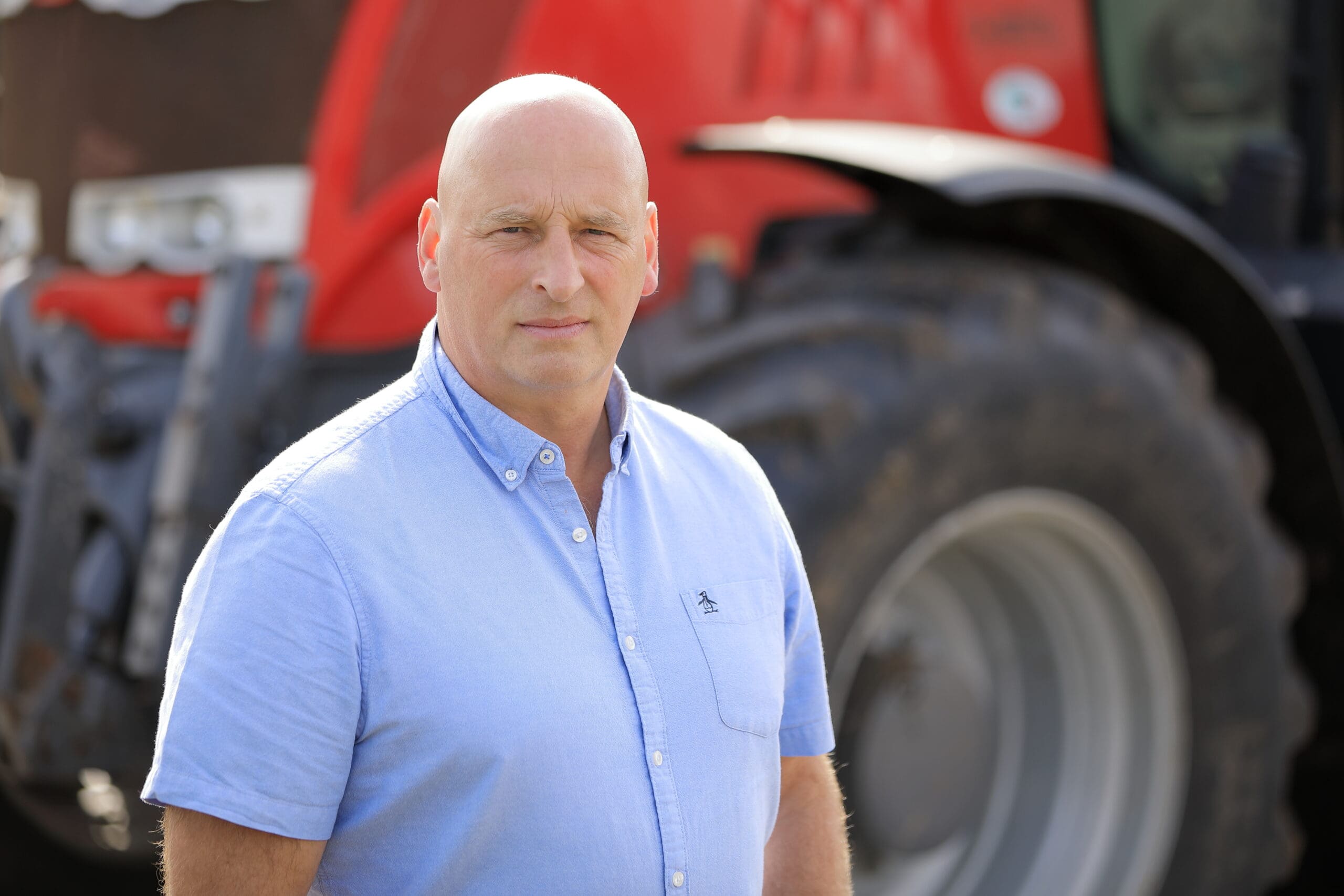
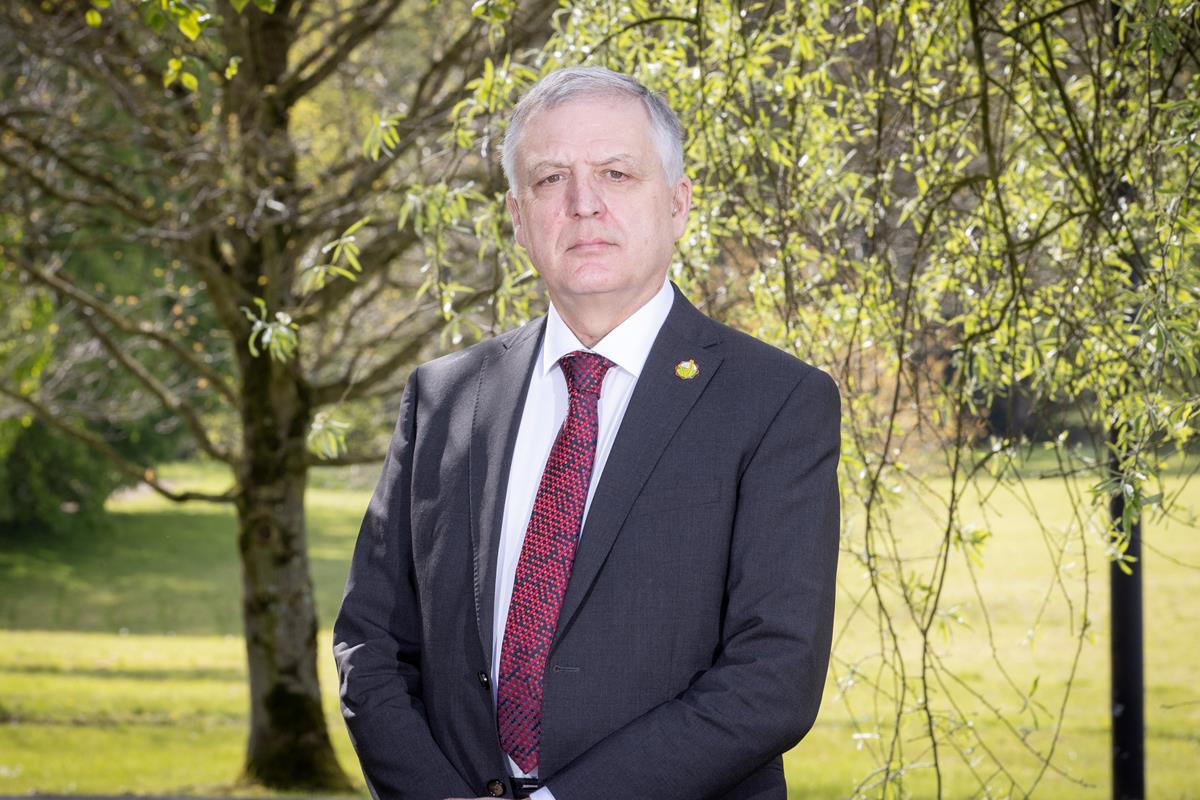
Representing approximately 12,000 farm families across Northern Ireland, the UFU has warned that ongoing geopolitical tensions in the Middle East are creating significant uncertainty for the sector, particularly in relation to fertiliser, fuel and energy prices. UFU President William Irvine said recent global events have once again exposed the vulnerability of food production systems to external shocks. “Farmers have already experienced the impact of global instability following the war in Ukraine, where sharp increases in fertiliser and energy prices placed enormous pressure on farm businesses,” said Mr Irvine.
The UFU has emphasised that Northern Ireland agriculture is particularly exposed due to its reliance on imported inputs. Fertiliser and fuel represent a significant proportion of on-farm costs across all sectors, including the arable industry, which is especially vulnerable to fluctuations in input prices. “For our arable farmers, fertiliser and fuel are fundamental to crop production,” Mr Irvine said. “Any sharp increase in costs has an immediate and direct impact on margins, at a time when many in the sector are already under significant financial pressure.”
The Union highlighted that many farming sectors, including beef, dairy and cereals, are currently experiencing a financial squeeze, with rising costs continuing to outpace returns. “Across the board, farm businesses are dealing with tight margins and ongoing uncertainty,” Mr Irvine added. “The prospect of further increases in input costs will only add to that pressure, making it even more challenging to maintain viable and sustainable food production.”
The Union also highlighted the knock-on effects of rising energy costs across the wider supply chain, including processing, transport and distribution. “These pressures do not stop at the farm gate,” Mr Irvine added. “Higher energy costs will inevitably feed through the entire supply chain, contributing to increased food prices and placing further strain on consumers.”
The UFU warned that many farm businesses are already operating on tight margins while managing ongoing policy changes, environmental requirements and market uncertainty. Further increases in input costs, outside of farmers’ control, could have serious implications for farm viability and the resilience of the local food system.
Concerns have also been raised about the lack of transparency in fertiliser and fuel markets, with farmers often forced to make purchasing decisions without clear or timely pricing information. “This lack of transparency makes it extremely difficult for farmers to plan and manage their businesses effectively,” Mr Irvine said. “It adds unnecessary risk at a time when confidence is already under pressure.”
In response, the UFU has called on the UK Government to take coordinated and proactive action, including improving market transparency, strengthening supply chain oversight and recognising fertiliser and energy as strategically critical inputs for food production. The Union has also urged greater clarity on future policy developments, including the Carbon Border Adjustment Mechanism (CBAM), and called for close engagement with the Northern Ireland Executive and DAERA to ensure local farming systems are fully considered.
“Food security is national security,” Mr Irvine said. “A sustainable and profitable farming sector is essential not only for producing high-quality food, but also for supporting rural communities and delivering environmental outcomes.” “Farmers are committed to playing their part, but they cannot continue to absorb escalating costs and increasing levels of risk without the right support and clear direction from government.”
The UFU has requested direct engagement with government to discuss both the immediate challenges facing the sector and the longer-term actions needed to strengthen the resilience of agriculture in Northern Ireland.