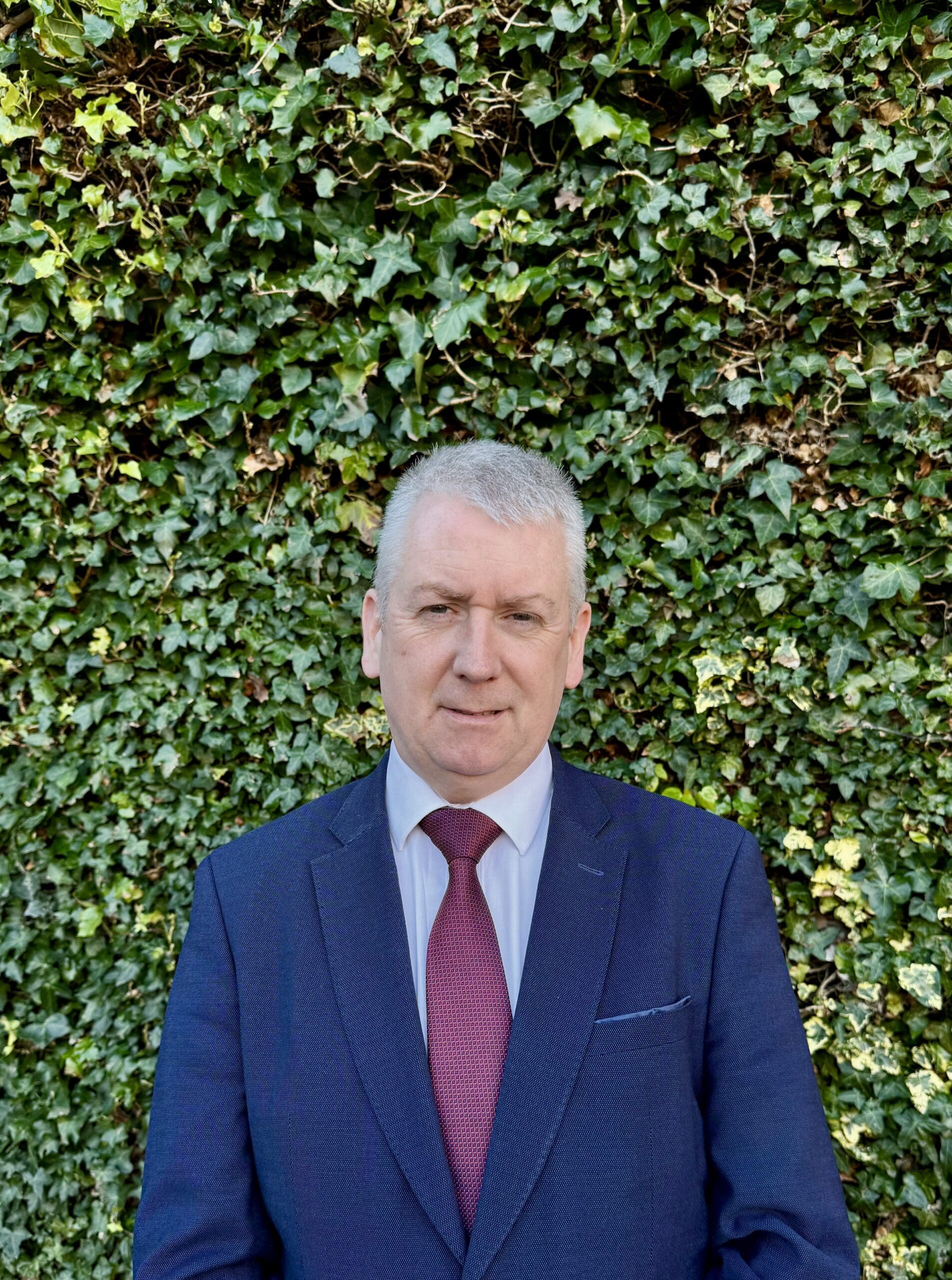


UFU Deputy President John McLenaghan, on his farm near Garvagh. Picture: Cliff Donaldson
The Ulster Farmers’ Union (UFU) has said the ongoing developments in Iran highlight both the importance and fragility of food security at home and abroad, warning that further escalation could have serious implications for the agri-food sector.
UFU deputy president, John McLenaghan, said farmers across Northern Ireland are already concerned about the potential knock-on impact the situation could have on energy, fuel and fertiliser prices.
“Events unfolding in Iran underline just how vulnerable global supply chains can be. Food security must be treated as a strategic priority. If tensions escalate and governments fail to respond appropriately, we risk sleepwalking into a situation where our ability to maintain a stable food supply is seriously undermined,” he said.
The UFU said its members need confidence from the government to continue producing high-quality, affordable food for consumers, particularly at a time when input costs remain extremely volatile.
“We are already seeing signs over the past number of days that energy, fuel and fertiliser prices could increase significantly. Farmers are extremely exposed to these costs, and any further shocks will have a direct impact on the cost of producing food,” said Mr McLenaghan.
“Farmers across Northern Ireland are held to high standards and are doing their part to deliver safe, high-quality food. However, they cannot continue to absorb escalating costs without support and confidence from government and the wider supply chain.”
The UFU also warned that key decisions made in the coming months will be critical for the production cycle across the farming sector.
“This spring and summer represent a crucial time in the farming calendar. Livestock and dairy farmers will be planning forage for the autumn, while arable growers are already looking ahead to crop production for 2026. Farmers need clear signals from government and markets now so they can make decisions about ordering inputs and planning production for the next 12 to 18 months.”
Mr McLenaghan said it was vital that businesses across the supply chain act responsibly if costs begin to rise.
“We cannot have a situation where companies in the supply chain profiteer from global instability. Farmers provide the critical foundation on which the entire agri-food sector is built, and their businesses are fundamental to the success of companies throughout the supply chain. Everyone must recognise the importance of supporting farmers and ensuring they have the confidence to continue investing in food production.”
The UFU said the situation also reinforces the need for stronger domestic food production.
“We need clear ambition to boost domestic production and reduce our reliance on imports. Our agri-food sector has the capacity to produce more, but we cannot allow our self-sufficiency levels to continue falling, particularly in sectors such as fruit and vegetables.
“Food must be recognised as a strategic asset. Our farmers and growers are ready to be part of the solution, supporting healthy diets, improving environmental outcomes and building a more resilient food system. But that requires a food system that values the people who produce our food and supports them to innovate and invest for the future.”
Mr McLenaghan added that Northern Ireland’s reputation for high-quality produce must be protected.
“Northern Ireland’s unique selling point is the origin and quality of our produce. From meat and dairy to crops, eggs, fruit and vegetables, our family farms underpin the success of the wider food and drink industry. Ensuring they remain viable is essential not only for farmers, but for consumers and the wider economy.”