
Written by policy officer Stephanie Clokey
Despite having some recent respite from the intense rain over the last few months, including the wettest January seen in 149 years, there’s still concerns over Northern Irelands resilience to increasing rainfall. Looking further upstream, could our peatlands be part of the solution? Carbon and climate change targets often dominate recent conversation around peatlands, however an equally important and more tangible benefit of peatlands is their ability to affect hydrology, more specifically, flood mitigation and water quality.
More frequently storm systems leave us unable to cope with the amount of rainfall. Not just a climatic issue but a systems failure brought about by under investment in infrastructure. Designed for lower intensity rainfall, our storm water systems are increasingly overwhelmed, leading to flooding in towns and cities, with pressure likely to increase through continued development on floodplains.
If climate projections are anything to go by, we are going to see wetter winters and more extreme rainfall, directly increasing the likelihood of flooding to homes and businesses, with heavy rainfall events becoming more common, peatlands could be part of the wider solution.
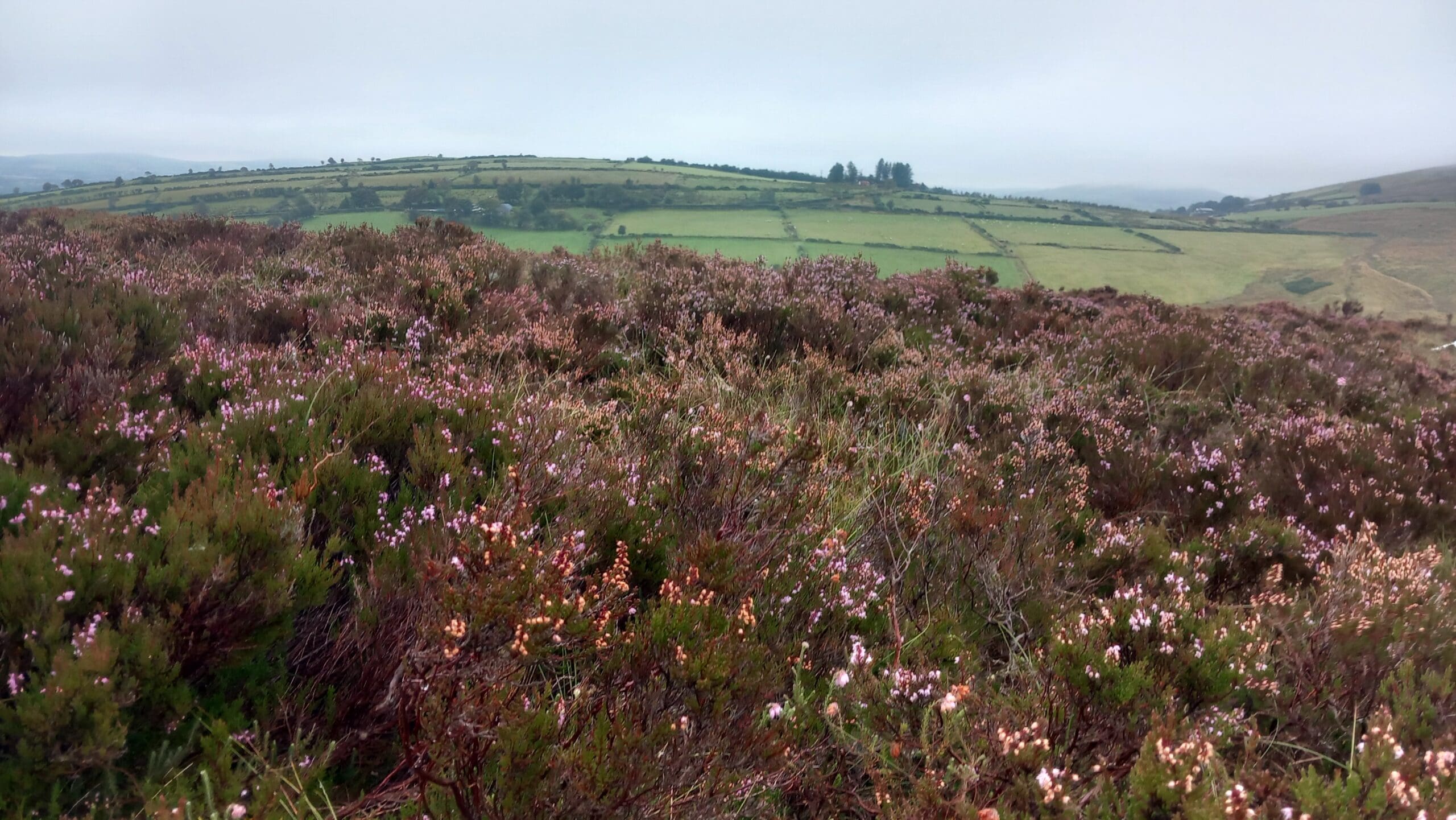
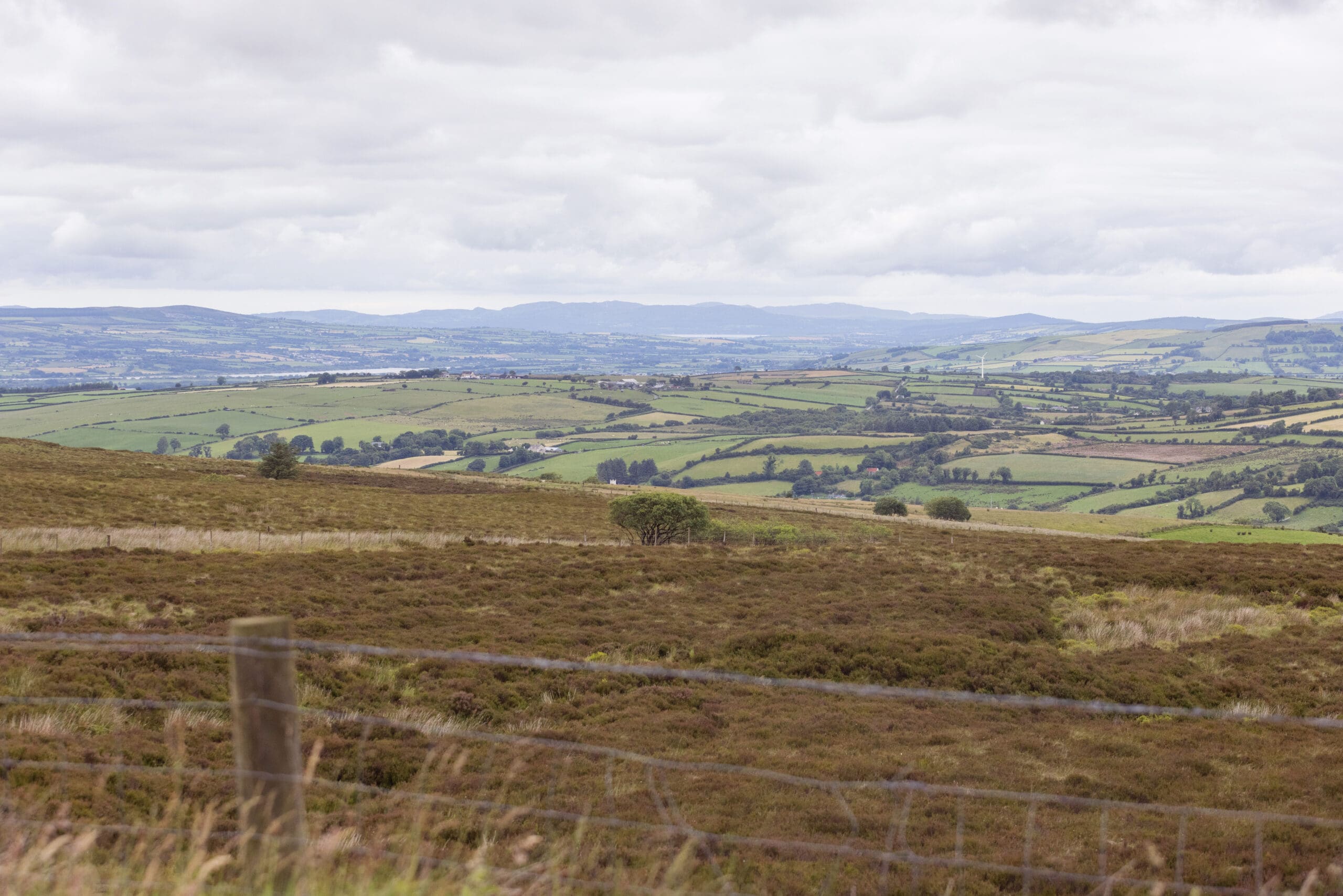
Upland blanket bogs are major catchment areas that regulate waterflow, storing water within the peat and surface vegetation and thus have the potential to impact lowland hydrology. Carefully managed peatland has the potential to slow flow and delay and reduce flood peaks in times of intense rainfall. The water storage capacity of peatlands also helps maintain base levels during periods of drought.
Although, areas of bare peat pose an issue, not only are they unsuitable for grazing, but they also allow for flash flow off the hills, heightening the speed at which water comes off the hill, contributing to flooding and causing further erosion. Re-vegetating these areas of bare peat could help. The type of vegetation also makes a difference as overland flow can be ten times slower across sphagnum moss compared to bare peat surface and can hold up to 26 times its dry weight in water.
Alongside revegetation, grazing is a key tool to the management of peatlands. For example, after wildfires we often see increase of invasive Molinia caerulea, also known as Purple Moor grass, outcompeting mosses and other blanket bog species. One of the only methods of tackling this is grazing with cattle, highlighting the importance of continuing agriculture in these areas.
Supporting and incentivising farmers can be part of a nature-based solution, effective land management including grazing and revegetation can have long term benefits for wider society.
Related Stories
Why Should the Area of Natural Constraint (ANC) Should be Reinstated in Northern Ireland (NI)?

UFU strongly back reinstatement of ANC payment