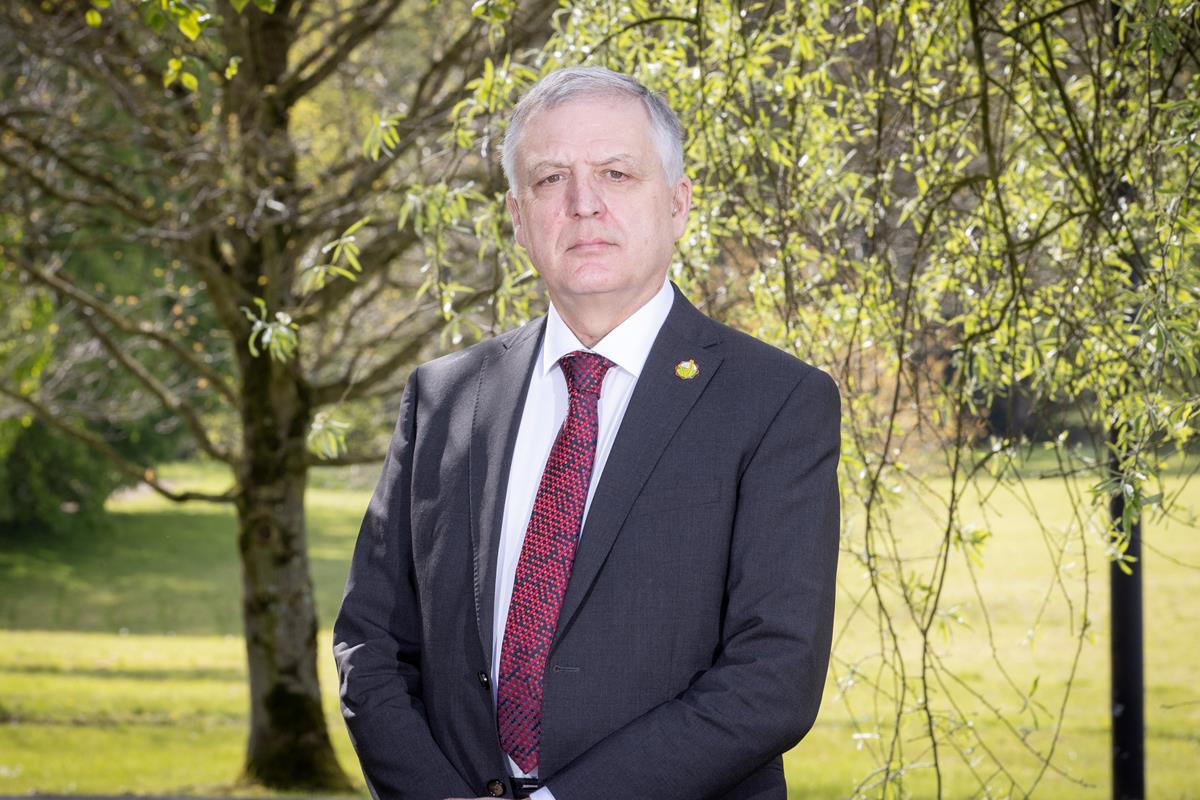

The chairman of Sustainable Ruminant Genetics, Victor Chestnutt, has announced the recruitment of two key staff as a very important next step in the roll out of the Northern Ireland Bovine Genetics Project (BGP).
Speaking on this major development, Mr Chestnutt said, “SRG is the industry body set up to partner DAERA in the strategic direction and delivery of this major measure in DAERA’s Sustainable Agriculture Programme. We have been working for several years on the development of this multi-million-pound project which will drive genetic improvement initially in cattle, delivering long-term and permanent changes to desirable traits, such as improved animal health and welfare, including the ability to identify those breeding animals most resistant to Bovine Tuberculosis and reduced greenhouse gas emissions. The BGP will provide beef and dairy cattle breeders with the data and evidence necessary to breed more efficient, healthier, more productive and, most importantly, more profitable animals.
“At the start of this year DAERA awarded a contract to ICBF to act as the service provider for the project and we have since been working with them to roll out the operational aspects necessary. We have already begun the collection of the required data from the industry and SRG have now recruited two business specialists to support the rollout and ongoing delivery of the BGP. These two business specialists will be working directly with farmers and wider industry.
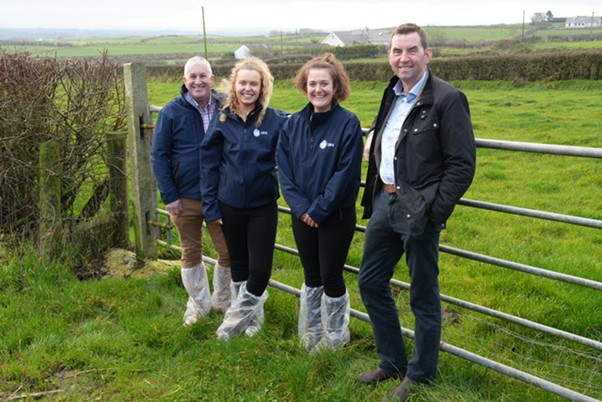
“We are delighted to welcome Hannah Martin and Lois McConaghy to SRG,” said Victor Chestnutt. “Together, they bring excellent technical, organisational and industry skills that will help drive this project and strengthen our ability to support farmers across Northern Ireland as we deliver long-term genetic improvement for the local beef and dairy sectors.”
Phase one of the project will focus on the genetic improvement of dairy and beef cattle, but it is also intended to advance genetic improvement in the sheep sector. SRG will work with DAERA to incorporate the sheep genetics at the earliest opportunity taking into consideration the report by the Northern Ireland Sheep Industry Taskforce, outlining its vision for the future of the sheep sector.
For the cattle sector, it is estimated that only 12% of NI’s dairy cows and 3% of suckler cows are involved in physical or financial benchmark reporting compared to 70% of dairy and suckler cows in the Republic of Ireland. To improve this, SRG will work to encourage farmers to engage with the Bovine Genetics Project showcasing the benefits for their farm business and the environment.
The aim is to have 70% of dairy and beef cows included in the project’s benchmarking services within five years from when it was launched. Genetic profiling and DNA testing of cattle will also be required to deliver the desired genetics evaluations and SRG has already started a very significant pilot project involving approximately 4,000 cattle on 33 local beef and dairy farms to start the delivery of this.
“The focus now for SRG is on promoting the Bovine Genetics Project and engaging with farmers to inform them about how they can avail of its services including benchmark reports and training. By getting involved in the project, NI’s cattle farmers will gain vital data that can drive breeding decisions based on genetic merit assessment to suit their individual business objectives.
“SRG will be present at the RUAS Winter Fair and welcome the opportunity to discuss with farmers the progress that we are making and the planned next steps in this very exciting initiative,” said Mr Chestnutt.