
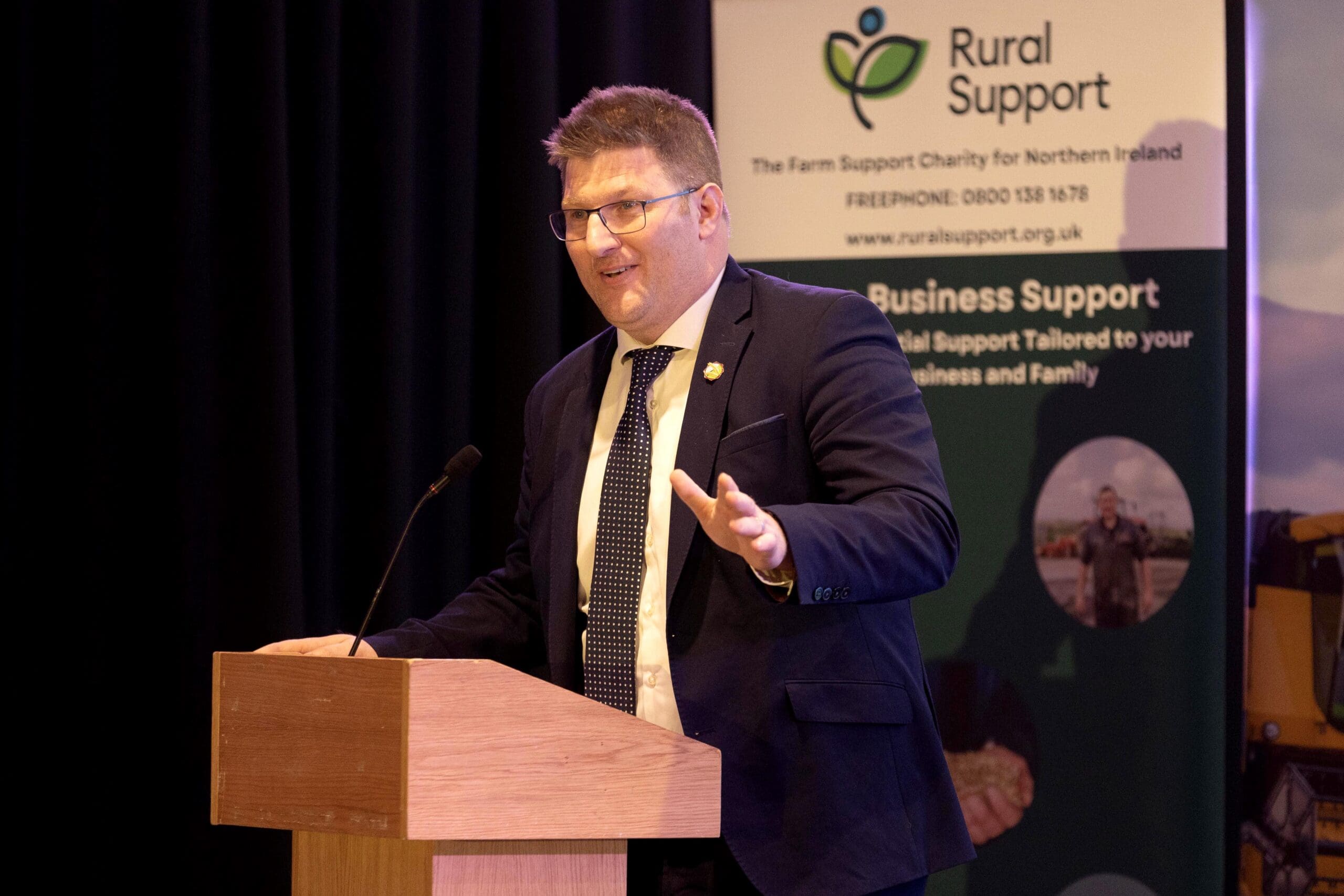
James McCluggage, UFU Policy & Communications Director, explains what happens when a UFU member raises an issue
By policy and communications director James McCluggage
In the first two articles in this series, I looked at what policy is, why it matters to farmers and how an issue raised by a UFU member can develop into a wider Union policy position.
But once we have established what needs to change, how do we go about changing it?
Lobbying is a word we hear regularly, particularly when agricultural issues are being debated at Stormont or Westminster. It is often associated with meetings with Ministers, political discussions and organisations trying to persuade government to change direction. These are all part of lobbying, but the reality is that influencing government policy is usually a much more involved process.
One of the first things to understand is that decisions are rarely made by one individual. Ministers may ultimately make the political decisions, but behind them are teams of civil servants responsible for developing proposals, examining evidence, considering legal requirements and assessing the practical consequences of different options. Understanding how that system operates, who is responsible for a particular decision and when opportunities exist to influence it is an important part of effective lobbying.
Sometimes the most useful conversation is not with a Minister, but with the official working through the detail of a proposal long before it reaches the Minister’s desk. Equally, there are occasions when political intervention is essential, particularly where an issue requires a change in government direction or priorities.
At the UFU, we engage at different levels depending on the issue. That can involve departmental officials, senior civil servants, Ministers, MLAs, MPs, Assembly committees, Westminster departments and other organisations with shared interests. However, getting into the room is only part of the challenge. What matters is the case we bring to the discussion. There is a considerable difference between identifying a problem and convincing government that something needs to change. Effective lobbying requires evidence, an understanding of the implications of a proposal and, wherever possible, a practical alternative.
That is where the knowledge and experience of our members are invaluable. Farmers can explain how a proposal is likely to operate in practice, highlight consequences that may not have been fully considered and help identify solutions that will work at farm level. Relationships and credibility also matter. The UFU has spent more than 100 years engaging with governments, politicians and officials of different viewpoints. That does not mean we always agree with them. There are times when we strongly oppose government proposals and make that opposition very clear.
However, maintaining the ability to engage constructively, even when there are significant differences of opinion, is often essential to achieving an outcome. It is also important to recognise that progress is not always immediately visible. Public debate moves quickly. Political statements, media coverage and social media commentary can bring an issue to wider attention and generate pressure for change. There is a place for that, and public campaigning will remain an important part of the UFU’s work when circumstances demand it.
However, much of the work involved in securing policy change takes place away from public attention. It can involve months of correspondence, technical meetings, examining proposals, challenging assumptions and negotiating changes to individual provisions.
The effectiveness of that work cannot always be measured by the attention it receives. A headline or political sound bite may draw attention to a problem, but it does not necessarily provide the solution. Sometimes the most important progress is made quietly, before there is anything to announce publicly. Lobbying does not always mean securing everything we initially set out to achieve either.
Government must balance competing priorities, financial constraints and legal responsibilities. There will be occasions when our preferred position is not accepted, or when progress means securing amendments, safeguards or compromises that make a proposal more workable for farm businesses. That is not the same as accepting a poor policy. It means understanding what can be changed, where pressure should be applied and how the interests of members can best be protected.
Knowing when to challenge, when to negotiate, when to build political pressure and when to pursue a different approach is an important part of representing farmers effectively.
Ultimately, lobbying is not simply about demonstrating that we have raised an issue or making the most noise about it. It is about influencing the decisions being made and securing the best possible outcome for the farmers we represent.
That requires patience, persistence, credible evidence and a clear understanding of what we are trying to achieve. It may not always produce an immediate headline, but the decisions reached can have a lasting impact on farming families across Northern Ireland.
Next in the series
Why consultations matter. We will look at how farmers can influence government proposals, what happens to consultation responses and why engaging with the detail can make a real difference.