
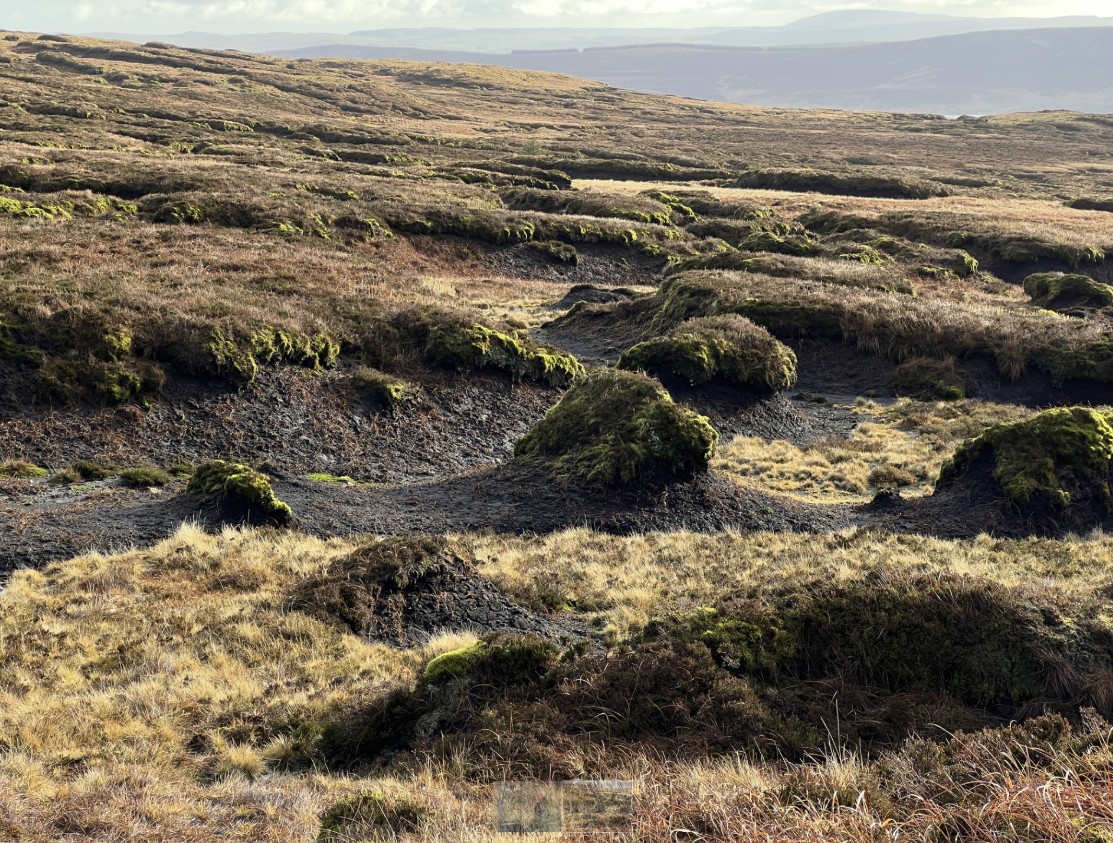
2. Eroded area of bare peat on Slievenanee where the wool logs will be used.
Written by UFU policy officer, Stephanie Clokey.
Northern Irish wool is being put to the test as a practical peatland management tool in the Antrim Hills, as farmers and conservationists come together to explore a new use for an undervalued resource.
Ulster Wildlife and the Ulster Farmers’ Union (UFU), working alongside Sustainable Rope Ltd, Ulster Wool and Ulster University, are trialling wool logs made from Northern Irish wool on eroded blanket bog at Slievenanee Mountain in the Antrim Hills.
The trial aims to assess whether wool can act as a renewable, locally sourced alternative to coir, a material commonly used in peatland management work. Scoured fleece is tightly compacted into wool textile sacks, these “logs” will then be placed in areas damaged by erosion and weathering, to help slow water flow, trap sediment and allow vegetation such as sphagnum moss to re-establish on areas of bare peat.
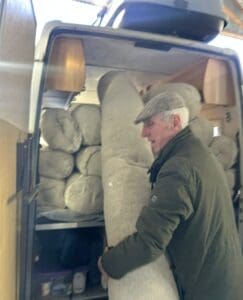
Coconut husk, also known as Coir, is often imported from South East Asia. However, reliance on imported coir brings a significant carbon footprint and raises concerns about long-term sustainability as well as potential ethical issues. By contrast, using wool sourced from local flocks could reduce emissions, improve peatland health and create a new market for a local product. Project partners believe peatland restoration could provide a new demand for rough wool, supporting hill farm incomes and strengthening rural economies.
With the wool logs made and ready to go, peatland practitioners face one last hurdle before installation; getting the wool logs up to the site. Slievenanee’s steep terrain means the rolls must be carried by hand to the top of the mountain before they can be installed. Cue volunteers! Project partners are looking for enthusiastic, and maybe slightly mad, volunteers, to join them on Saturday 21st February to help with the transportation of the logs up to the site. Warm, waterproof clothing and suitable footwear are essential, while food, hot drinks and good craic will be provided on site.
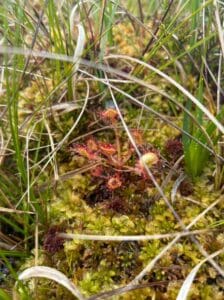
Peatlands play a vital role in water quality, carbon storage and biodiversity, Northern Ireland’s peatlands cover at least 12% of the country’s land area, and much of this requires active management. Slowing erosion and increasing peat forming vegetation in damaged areas is key to helping these landscapes provide their intended environmental benefits. Backers of the trial hope that, if successful, wool logs could become a standard tool in peatland management in Northern Ireland, with similar projects rolled out more widely, delivering both environmental gains and tangible support for farmers.
If you are interest in taking part in the volunteer day or are interested in learning more about the project, please contact info@ufuhq.com.