
The Autumn Budget has failed to deliver the meaningful support farm families need to invest, grow and plan for the next generation.
By Daniel Toft
The Autumn Budget was a major missed opportunity to address the pressures facing farm families. Despite clear evidence of falling confidence, stalled investment and significant anxiety over succession, the Government delivered only a handful of small measures that fall well short of what our industry needs or requested.
Through our ‘A Budget to Back Farming’ campaign, the UFU presented a number of practical proposals to improve farm viability, encourage investment and protect the next generation. Our membership research demonstrated both the urgency of those proposals and the economic activity that could be unlocked by delivering them.
The findings of our research were stark. 84% of respondents had reduced, postponed or cancelled investment, or proceeded at a smaller scale, across categories including environmental improvements, machinery, farm buildings, equipment and technology. High input costs were identified as a barrier to investment by 72.6% of respondents, while 57.2% highlighted insufficient profits or available cash flow. Farmers are struggling to fund improvements while meeting the everyday costs of producing food.
Inheritance tax remains a central concern, with 88.6% of respondents reporting increased family stress or worry because of the changes, including over 60% who described the increase as significant. 71.4% reported reduced confidence in passing on a financially viable farm as a result, while 49.2% said their intended successor had become less willing, less financially able, or both, to take over.
However, the research also demonstrated the scale of the opportunity which the Chancellor has missed. 85.8% of respondents expected to increase investment over the next three years if their Budget priorities were delivered. A Budget intended to support growth should have recognised this opportunity and helped farmers invest.
Instead, the Chancellor delivered only limited measures, with farmers receiving just a single passing mention during his Budget speech. The temporary 5p-per-litre fuel duty cut and the additional 3.7p-per-litre red diesel duty reduction were extended until the end of June 2027, alongside import tariff suspensions on specified fertiliser products from 26 November 2026 until the end of 2027. Meanwhile, the National Living Wage will rise by 3.9% to £13.21 per hour from April 2027, adding to employment costs for farm businesses. Changes to Self-Assessment payments will also require taxpayers who make payments on account to make smaller, more regular payments during the tax year from April 2029, with the frequency still to be confirmed. The Budget also announced an increase in property income tax rates to 24%, 44% and 49% from April 2027.
More importantly, the Chancellor failed to address the fundamental issues raised by the UFU. There was no restoration of full Agricultural Property Relief and Business Property Relief, despite the clear impact of inheritance tax changes on family farms and the relatively low cost to the Government of reversing the change. There was no meaningful package to encourage on-farm investment, no long-term certainty on fuel duty, and no action to address the erosion of Northern Ireland’s agricultural funding baseline.
For months, we have heard the Government describe food security as national security, yet this Budget has done little to support the farm businesses responsible for producing our food. The Chancellor had an opportunity to address the pressures holding back investment, restore confidence in farm succession and demonstrate that the Government was serious about backing agriculture. That opportunity has been missed.
A handful of small, temporary announcements is a wholly inadequate response to the scale of these challenges. The UFU will continue pressing for meaningful action on taxation, funding and investment. This Budget should have created the conditions for farming families to move forward with confidence, but it has left the central pressures facing the industry unresolved.
Related Stories
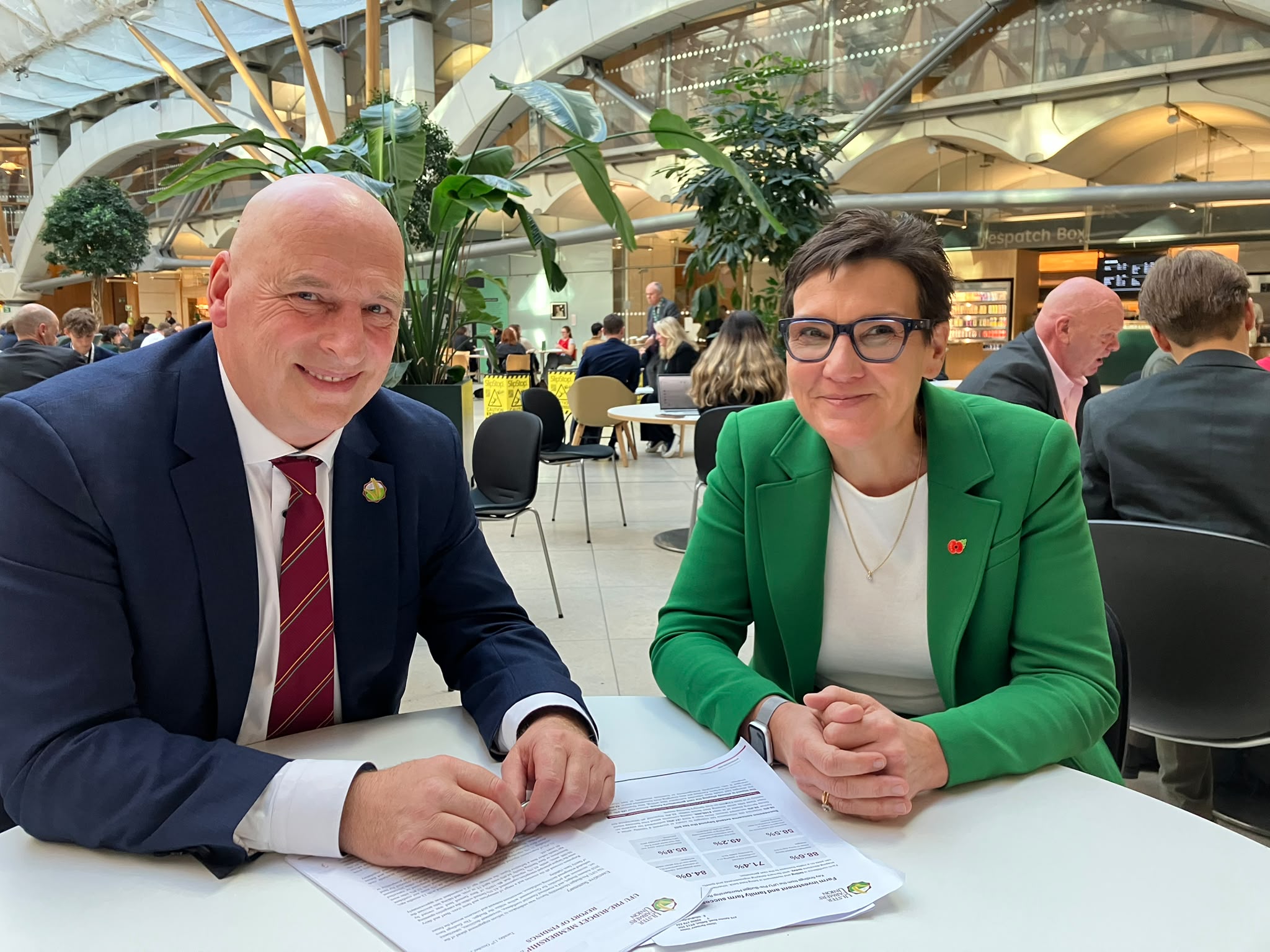
24 hours to back farming: UFU takes final Budget message to Westminster
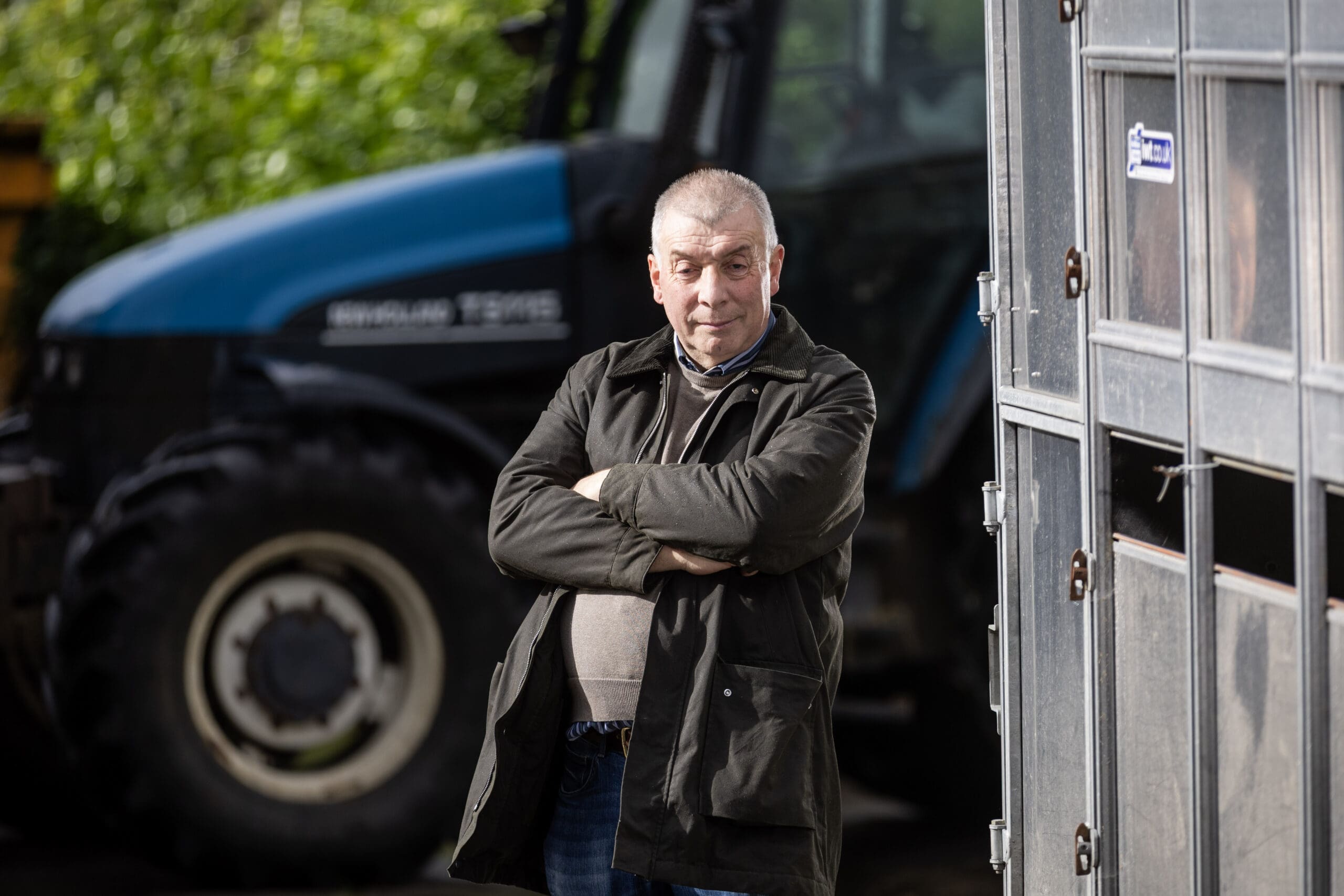
Rising costs leave farmers fighting to stay viable, UFU survey reveals