
What we once expected to contain ‘a glass and a half of fresh milk’ has now changed and with it so has the connection between chocolate and dairy.
Commodity Watch written by policy officer, Andrew Robinson
As we move through spring and approach summer, the first three months of 2026 have proven to be both unpredictable and challenging for farming. Heavy consistent rainfall throughout January, February and most of March, coupled with sharp increases in diesel and fertiliser costs, have added pressure and squeezed margins. With farm gate milk prices still well below the cost of production, for many dairy farmers, the next three months could prove to be equally challenging.
In that same three-month period of 2026 we seen global milk markets showing some sign of recovery though it was short lived. At the most recent Global Dairy Trade (GDT) Event 7th April trading was down 3.4% overall compared with the previous auction. Similarly, on the Dutch (ZuivelNL) Market 8th April four of the five auctioned products experienced downward movement. What drove the recent, but brief recovery remains unclear, but one thing is certain: the flush of spring milk approaching nationally and globally will add further pressure to an already saturated and pressurised market
When looking at production throughout Europe volumes have surged to record highs. Germany Europe’s largest milk producer recorded a 7% year on year increase in February 2026 with milk volumes up 169 million litres, similarly France recorded a year-on-year increase of 6%, an increase of 111.8 million litres. Across Europe disease recovery, low input prices, quality forage and elevated milk prices have boosted production. Likewise, production in the UK has continued to rise despite significant falls in milk prices, with talk of record volumes on the cards for 2026. In January 2026, the UK milk supply was up over 3%, while Ireland saw an increase of more than 4%, with similarly elevated volumes expected throughout February and March.
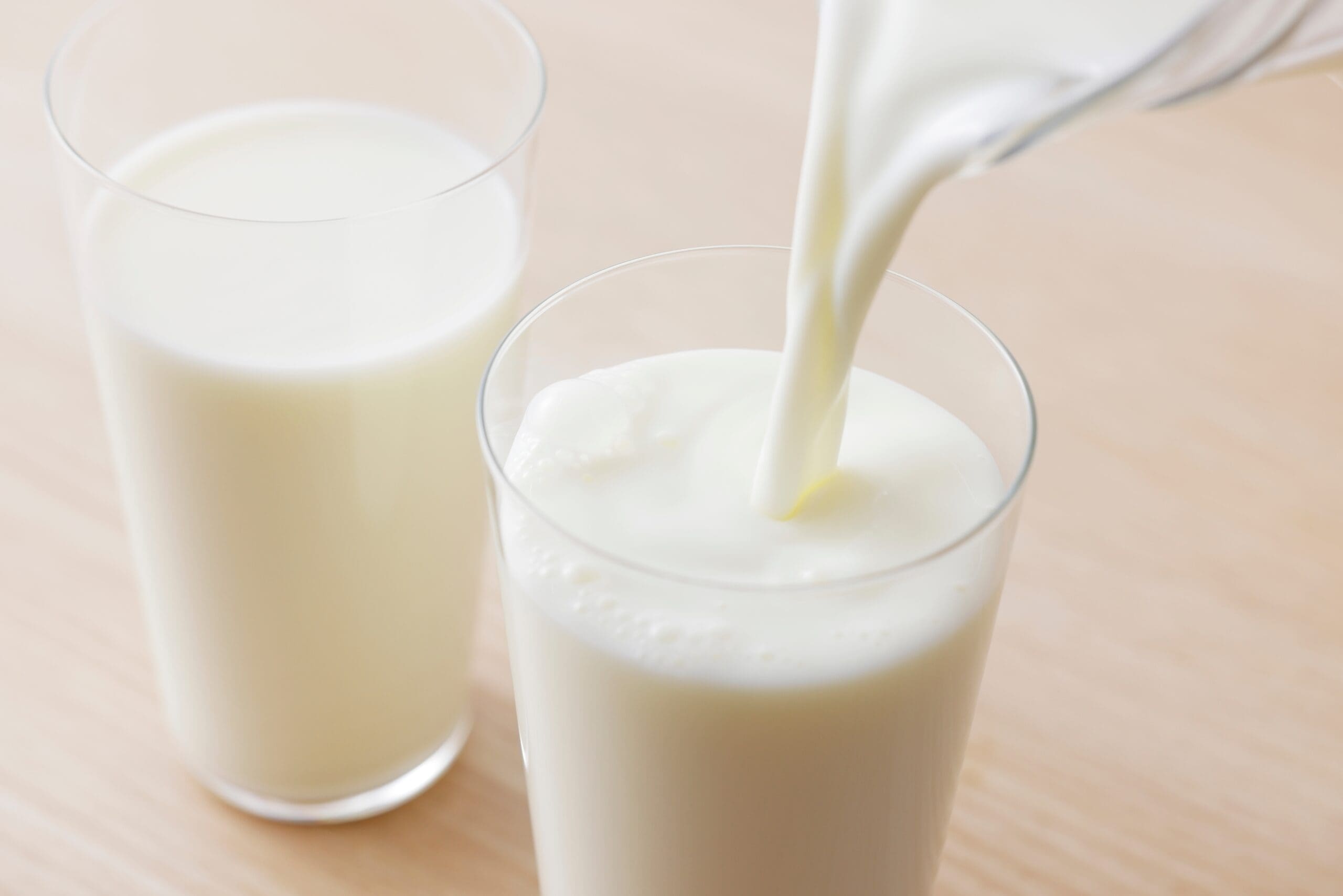
Like all farmers, our dairy farmers are currently facing immense and mounting pressure from all aspects of the industry. But one issue in particular is proving hard to stomach for both farmers and consumers: the silent creeping change in chocolate. What we once expected to contain ‘a glass and a half of fresh milk’ has now changed and with it so has the connection between chocolate and dairy. More often we see the milk content in chocolate is being reduced and replaced with vegetable fats such as palm oil, a change with wider negative nutritional, environmental, and economic implications.
For decades confectionary companies have piggy backed off the dairy sector, who were proudly championing milk as a nutritious and healthy product. It was a win-win for the dairy and confectionary industry, with chocolate often referred to as a wholesome, nutritionally viable treat option. But with some manufactures having increased the use of palm oil and other vegetable fats in certain chocolate-style products reducing the use of cocoa butter and dairy, can we still champion such products as a nutritious and healthy treat choice.
From a nutritional perspective, milk delivers clear value: naturally occurring calcium, high-quality protein, vitamin B12, phosphorus, and iodine, while its fat gives chocolate the smooth, creamy texture consumers expect. Palm oil, by contrast, is high in saturated fats, offers mostly calories with few micronutrients, and provides none of the protein or calcium milk contributes. Simply put: milk produces nutrients, palm oil produces fats and calories.
Chocolate is not just a treat, it is a vital link to market. Reducing the use of dairy in major food products weakens demand, increases reliance on imports, and shifts economic value away from our rural and farming communities. Consumers can see the change: what was once a celebration of milk now reflects a more complex, less desirable product. By making better purchasing choices and supporting dairy in chocolate, we can protect local agriculture, maintain nutritional integrity, and uphold environmental responsibility. Milk chocolate should contain milk.