
Supporting farmers across Northern Ireland with watercourse maintenance, drainage issues and flood risk management through the work of UFU Technical Officers and DfI Rivers.
A government department that UFU Technical Officers frequently contact on behalf of members is the Department for Infrastructure Rivers (DfI Rivers), who are responsible for designated watercourses across Northern Ireland (NI). Farmers often use the Technical Service to report problems, push for progress, or help apply for consent to complete essential works on or near watercourses.
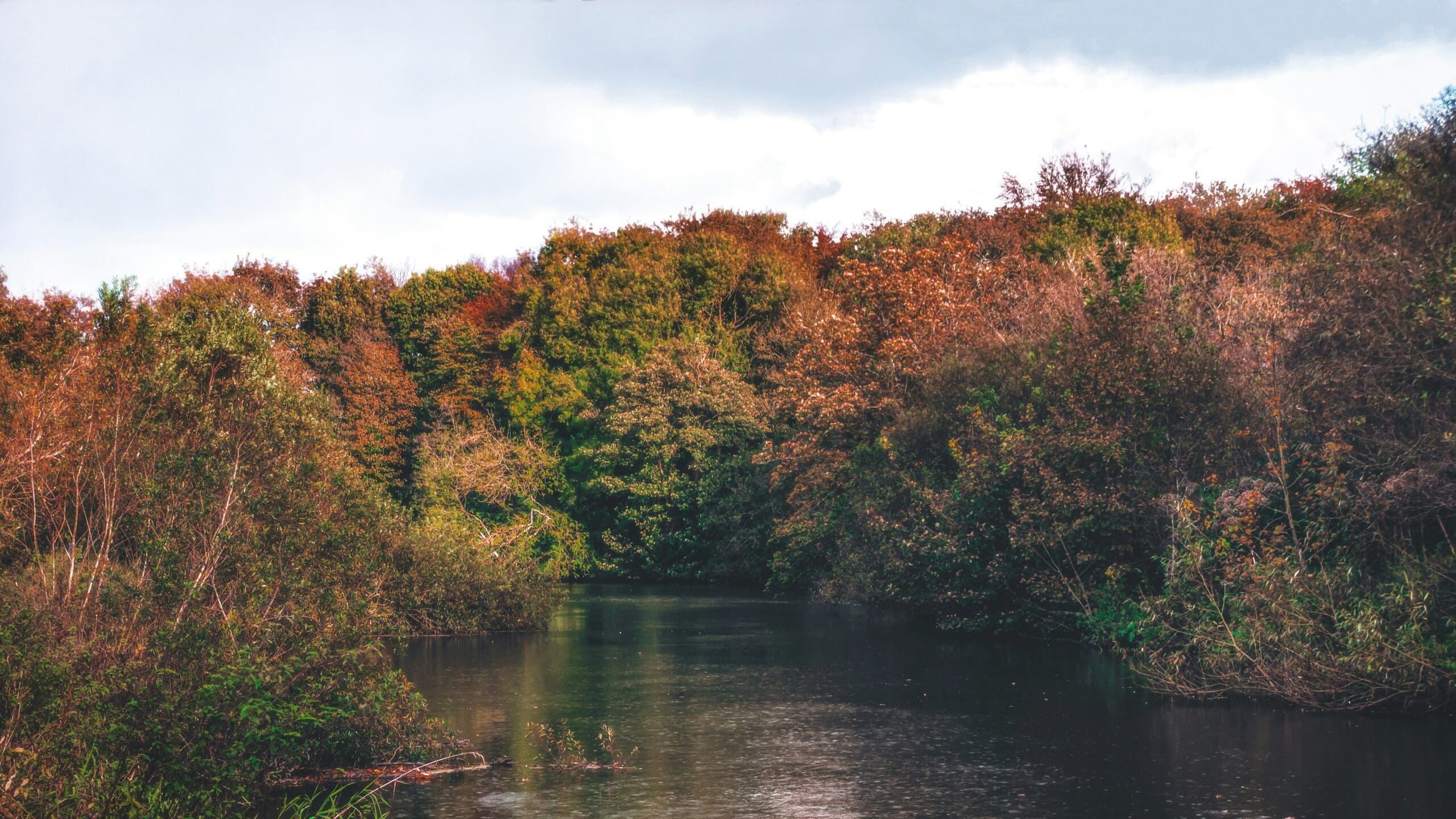
The first step to address watercourse issue is to determine whether the channel is designated or non‑designated. Designated watercourses are listed and mapped by DfI Rivers as part of NI’s statutory drainage network. Farmers can check designation status through DfI Rivers’ mapping system, available online or by contacting their local Rivers office. UFU Technical Officers can also assist by reviewing maps, confirming designation, and liaising with Rivers Agency where clarification is required.
DfI Rivers is responsible for inspecting and maintaining designated watercourses. Subject to available resources and prioritisation based on flood risk, maintenance includes vegetation clearance, silt removal, and addressing blockages that pose a risk to property or infrastructure. Designated urban water courses are inspected annually as they carry a higher risk of flooding property. Rural watercourses are on a rolling inspection and maintenance cycle of 1-6 years based on risk, drainage impact and channel type.
Farmers can carry out works on a designated watercourse – install culverts, repair banks, or construct crossings, but only with prior approval from DfI Rivers. This is obtained by submitting a Drainage Consent application form. Technical Officers help members prepare submissions by outlining the purpose of the works, providing maps and photographs, and demonstrating how proposals will protect watercourse integrity. If a group of landowners along a designated water course are having issues with flooding, Technical Officers can coordinate a request to Rivers Agency to ensure that problems are not addressed in isolation and avoid creating issues downstream.
Non‑designated watercourses such as small streams or ditches are not part of the statutory network and are the responsibility of the landowner, who must ensure they are kept clear and flowing. While DfI Rivers does not maintain non‑designated channels, they may intervene where issues affect designated watercourses or wider drainage systems. In cases where a neighbouring landowner fails to maintain a non‑designated watercourse and causes flooding or obstruction downstream, Rivers Agency has enforcement powers to require remedial works to be carried out. Any work on watercourses designated or not, cannot take place during salmonid spawning season, which typically runs from late autumn into early winter (approximately October–January).
It is important to note that while Technical Officers can raise issues with DfI Rivers, the Department operates under significant budget constraints and priority is always given to protecting homes and urban areas. As a result, even when problems are acknowledged, maintenance may not be carried out quickly, and lower‑risk issues can remain unresolved for extended periods. Nevertheless, with farmers already managing demanding workloads, Technical Officers play an important role in communicating with DfI Rivers, ensuring that concerns are heard, and that progress is made wherever possible.