

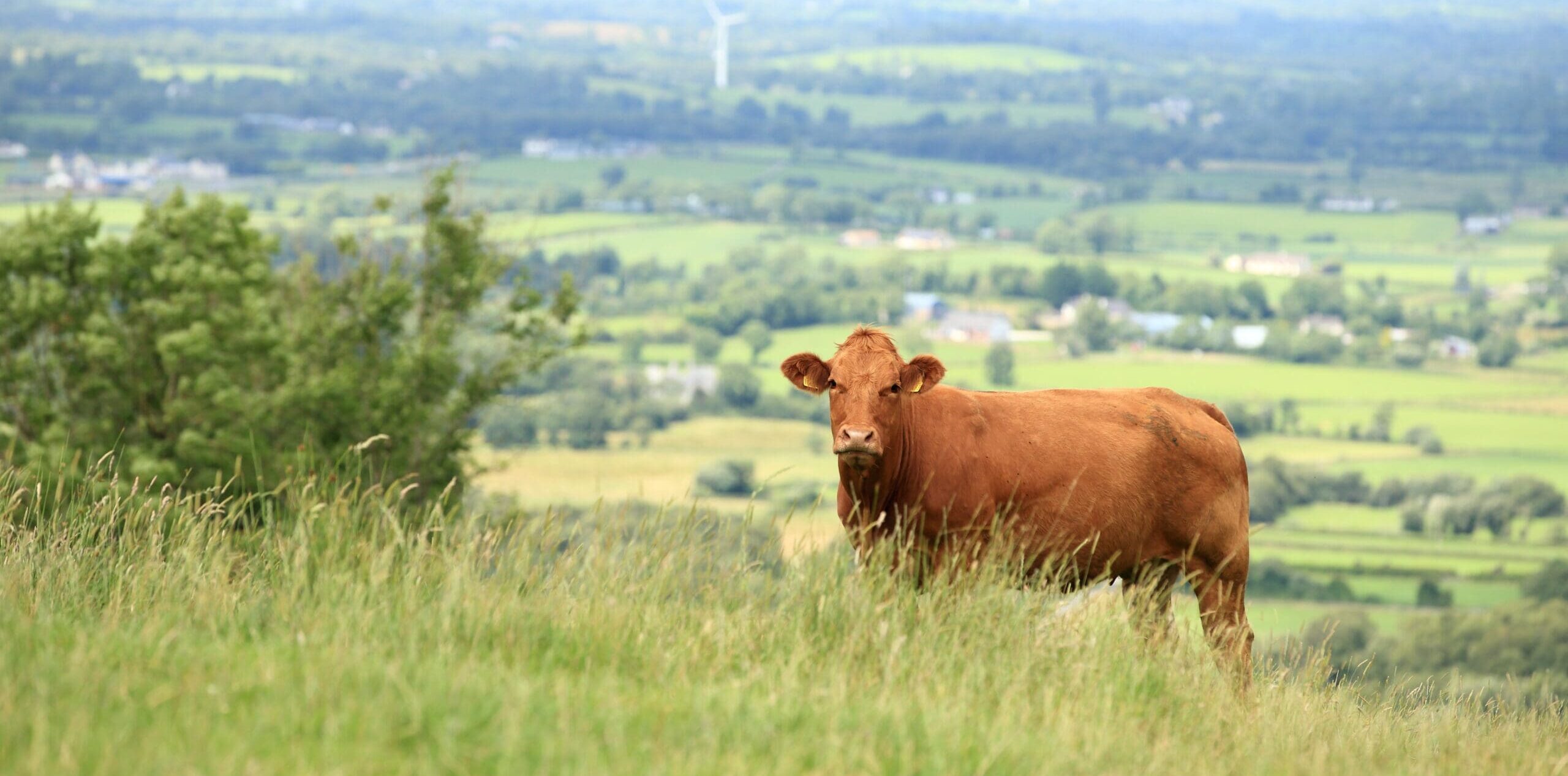
County Fermanagh countryside. Picture: Cliff Donaldson
The Ulster Farmers’ Union (UFU) is urging farmers to remain alert to the threat of Bluetongue (BTV-3) following the confirmation of the first case this 2026/27 season in the Republic of Ireland in Co. Wexford.
While Northern Ireland remains free from confirmed cases this season, the disease has emerged as one of the most significant animal health challenges facing the UK livestock sector this year.
UFU deputy president Clement Lynch said, “The confirmation of Bluetongue in the South is a concern and serves as a reminder that the disease remains a very real threat to our livestock sector. While Northern Ireland has no confirmed cases, it is important that farmers exercise strict vigilance, keep a close eye on their animals for signs and symptoms and follow guidelines to protect their livestock as best they can.
“Even without cases in NI, farmers are already feeling the knock-on effects. Restrictions across parts of Great Britain have made livestock movements more complicated and added pressure through extra paperwork, testing requirements and uncertainty around trade.
“Northern Ireland’s livestock industry is closely connected with Great Britain, the Republic of Ireland and international export markets, so developments elsewhere can have a direct impact on local farms.”
By late August, more than 650 premises across Great Britain had been confirmed with BTV-3 infection, while thousands of additional suspected cases remained under investigation.
Veterinary authorities have reported that the 2026 outbreak has been considerably more severe than last year’s, with significantly higher levels of clinical disease, particularly in sheep.
Mr Lynch added, “As we navigate through peak 2026/27 Bluetongue season, now is the time for farmers to be particularly vigilant. Good biosecurity and regular monitoring of livestock remain our best line of defence.
“If farmers notice anything unusual, they shouldn’t take chances. Contact your private vet or DAERA straight away. Early reporting is crucial in helping to protect animal health and limit the spread of disease.
“Farmers should be aware of the clinical signs of Bluetongue, which can include a high temperature, lameness, swelling around the head and neck, excessive salivation and nasal discharge. Affected animals may also develop sores in the mouth and become stiff or reluctant to move due to swelling around the hooves.”
The UFU will continue to monitor the developing situation closely and encourage any farmers with concerns to contact their private vet, local divisional veterinary office, or the DAERA helpline.
Related Stories
UFU urge members to attend bTB webinar
UFU urge livestock producers to prepare for lungworm vaccine withdrawal