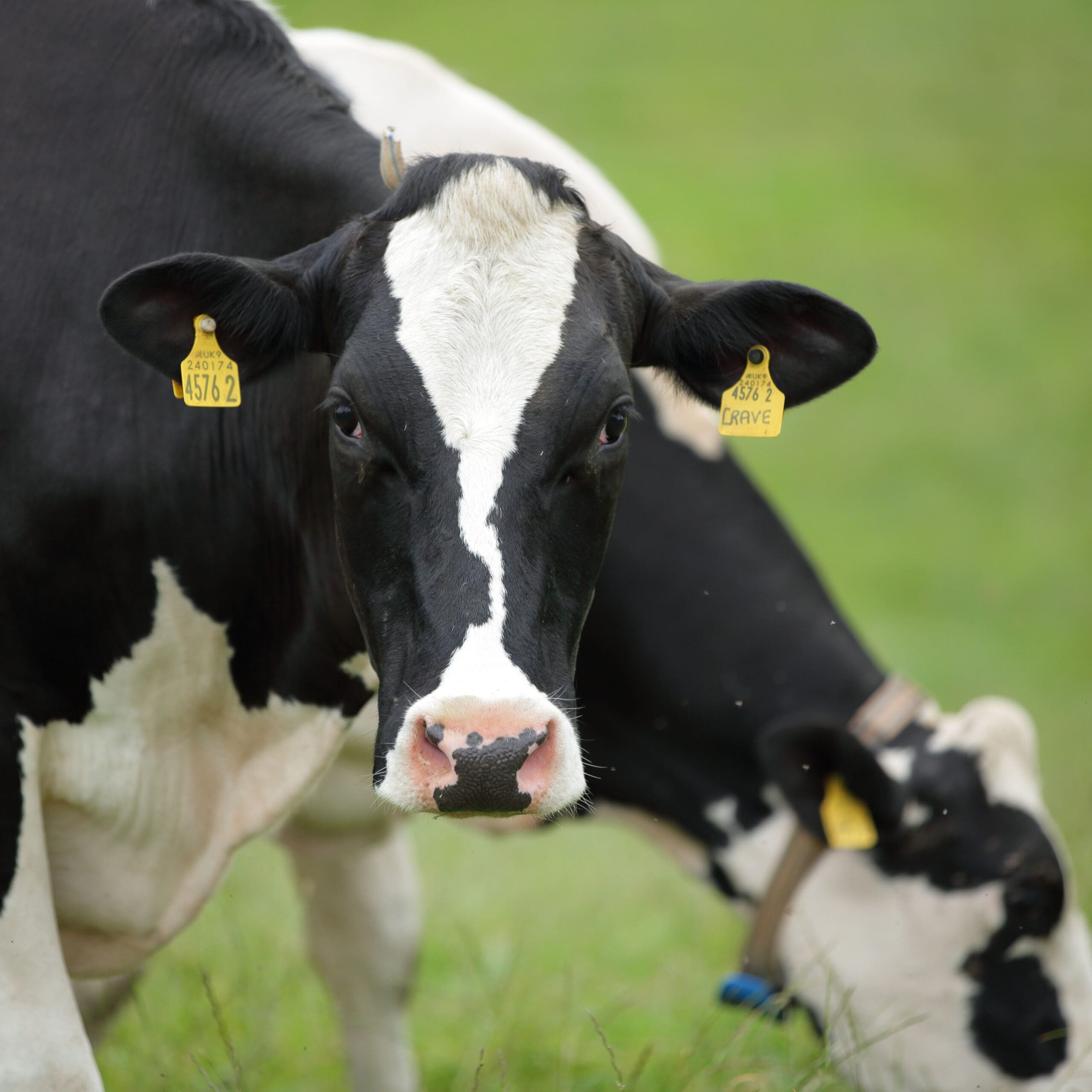

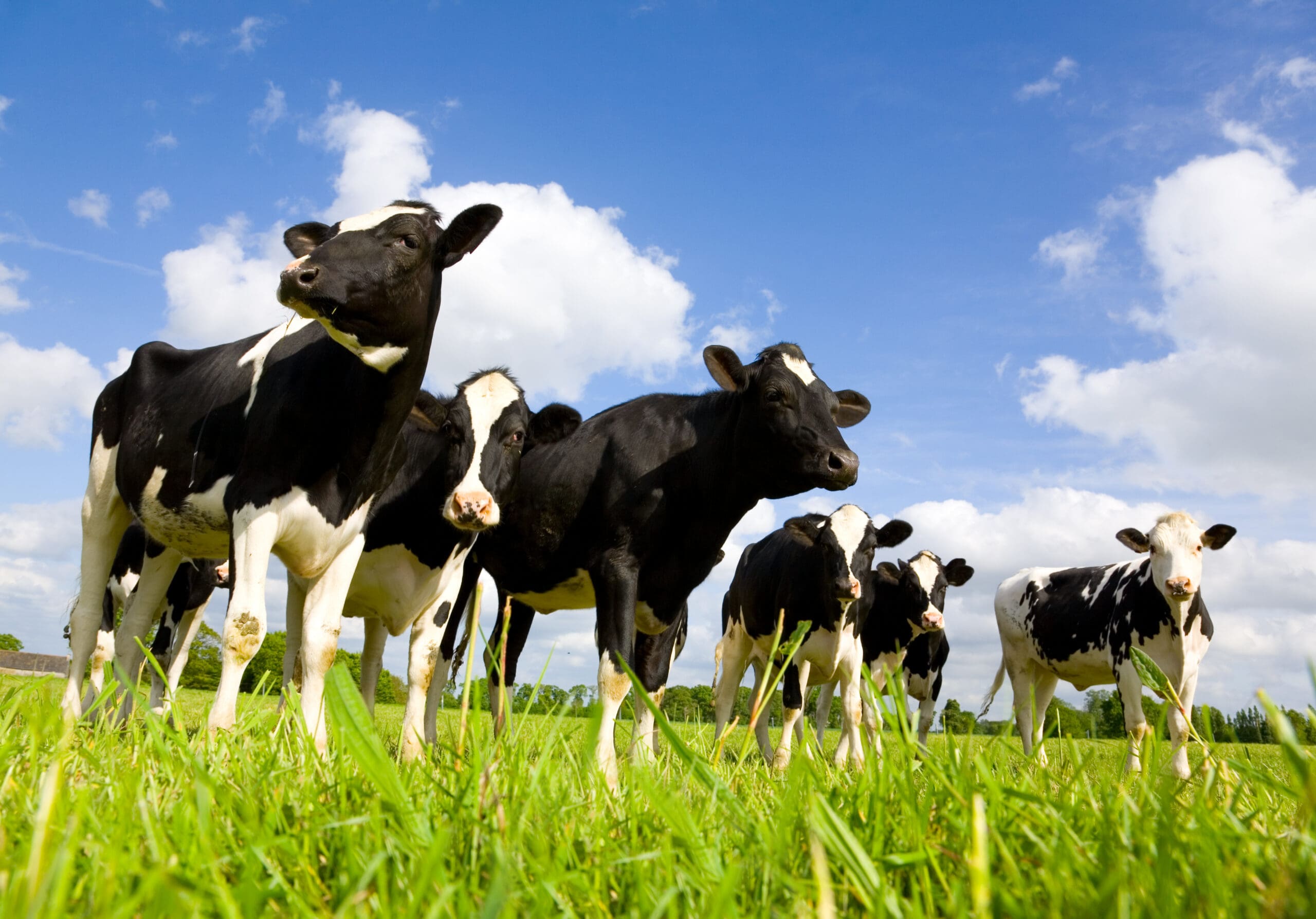
Holstein cows in the meadow
Commodity Watch, written by UFU policy officer, Andrew Robinson
Following what was a recording breaking 2025/26 milk year, production across both the UK and Ireland is now beginning to show early signs of moderating. Whilst milk volumes are still at an historically high level, changing market dynamics, challenging weather conditions and lower farmgate prices are starting to influence and curtail production decisions on both sides of the Irish Sea.
The latest figures from AHDB, milk deliveries data, shows that GB milk deliveries have moved into year-on-year decline during the second quarter of 2026. With production having fell by 0.1% in April, 0.9% in May and 3.1% in June compared with the same three-month period last year. Although calendar year production is still marginally ahead of 2025, the current milk year is now running below last season’s record pace.
With several notable factors contributing to this slowdown. Lower farmgate prices have reduced the incentive to push production. The introduction of volume management schemes alongside A-B pricing structures amongst some processors, encouraging producers to moderate output. In addition, the prolonged period of hot, dry weather may have affected cow performance and forage availability in some regions, further limiting milk production. Despite the recent decline, milk availability remains strong. Record production during the 2025/26 year means there us still ample milk within the supply chain, helping to keep dairy commodity markets well supplied and prices low. AHDB’s latest production forecast expects GB milk production for the 2026/27 season to reach 12.91 billion litres, around 0.9% lower than the previous milk year, signalling a gradual correction rather than a sharp contraction.
A similar pattern is emerging in the Republic of Ireland. Following exceptional production growth in 2025, Irish milk volumes have also begun to decline. Milk deliveries were 3.4% lower year-on-year in April and 1.5% lower in May. However, production from January to May is still only 0.6% below the same period last year and is still almost 7% higher than in 2024, demonstrating that overall milk supply remains relatively robust. The reduction in Irish production reflects many of the same pressures facing GB & NI producers. Milk price reductions implemented during late 2025 have squeezed farm profitability, while below-average rainfall has restricted grass growth in Ireland’s predominantly pasture-based production system. Although Ireland has largely avoided the severe heat experienced in parts of the UK, reduced grazing conditions have nevertheless limited milk output.
From a pricing perspective, the easing in milk production would normally be expected to support dairy markets. However, current supply levels are still relatively comfortable across both the UK and Europe. The European Commission continues to forecast growth in EU milk production during 2026, while global dairy supplies remain sufficient to meet demand. As a result, any significant recovery in dairy commodity prices is likely to depend not only on further reductions in milk output but also on stronger domestic and export demand.
Overall, the market appears to be moving away from the exceptional production highs of the past year towards a more balanced position. Milk volumes are easing in both the UK and Ireland, but supplies remain historically high. Unless production falls more sharply or demand strengthens considerably, milk prices are expected to still be under pressure in the near term as markets continue to work through the abundant supply available.