
New-Report Highlights Barriers to Peatland Restoration for Farmers and Landowners
Commodity Watch written by UFU policy officer, Stephanie Clokey
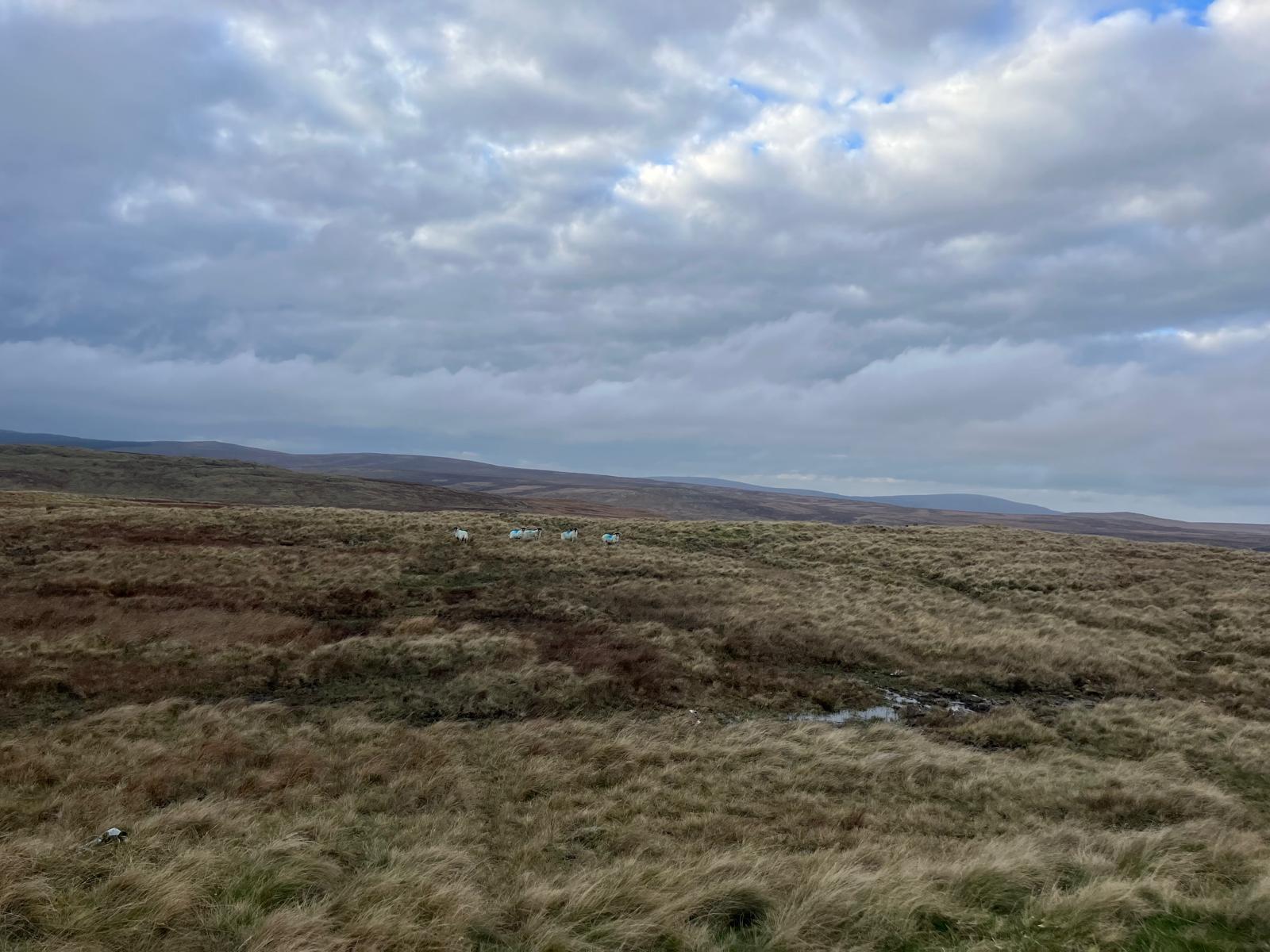
Discussions around peatland restoration often focus on the environmental challenges these landscapes face. However, the future health and management of Northern Ireland’s peatlands will depend on the farmers and landowners who manage them every day. Farmers and landowners have been asked to share experiences and perspectives on peatland restoration, with the findings accumulated in a recent report. The report comes as a result of the slow progress around peatland management and restoration across Northern Ireland in previous agri-environment schemes, and with pressures around water quality, carbon storage and biodiversity escalating, insight was needed as to what is preventing farmers from engaging, especially when so much emphasis is given to the future health of peatlands for wider society.
What we heard
The findings, published in the report, ‘Barriers to Uptake of Peatland Restoration for Farmers and Landowners’, reveal the challenges lie in uncertainty, trust, practical support and ensuring that future schemes work alongside viable farm businesses.
Farmers questioned the short-term funding cycles, and how they fail to represent the long-term commitment required to manage these landscapes. Leaving burning questions such as; is this worthwhile in the long term? Will farming still be possible? Will these targets change? One farmer asked, “What if policy changes down the line again, peatlands restoration is a big risk for farmers.” Another stating, “It’s not clear what this means for my farm in the future, peatland restoration is a risk, schemes are too short term, peatland management is long term”. The prevalence of uncertainty throughout the report shows how far we have yet still to go in aligning policy, management and the science of peatland restoration.
Farmers also reported a lack of trust in policy, and a disconnect between government and landowners, some farmers highlighted the issue of classifications such as “unfavorable” being overly harsh and misleading. One farmer stated; “terminology like “unfavourable” can be misleading … always saying how bad farmers are, but farmers have taken decisions to meet market demand and government policy…” Some believe these black and white classifications have led to siloed thinking, while a lack of additional information makes it difficult for farmers to know what the next step is for their farm business.
Speaking out
These findings were reiterated at the IUCN Peatland Programme Conference at Swansea University in June, where Sperrins hill farmer John Wauchob spoke about the challenges of farming on a protected peatlands site and the importance of ensuring a collaborative approach to peatland management that does not disenfranchise rural communities, he also highlighting the need to make use of the generational expertise and knowledge that exist already in our hills.
Feedback given was positive, suggesting farmers are willing to engage but need the means and confidence to do so. The report looks at the next steps in how farmers could be incentivised to take up management of peatland areas for biodiversity and wider society but highlights further work needs done to supply funding and build confidence with farmers.
If you’d like to read the report, please click here.