
Screenshot
Place you call home
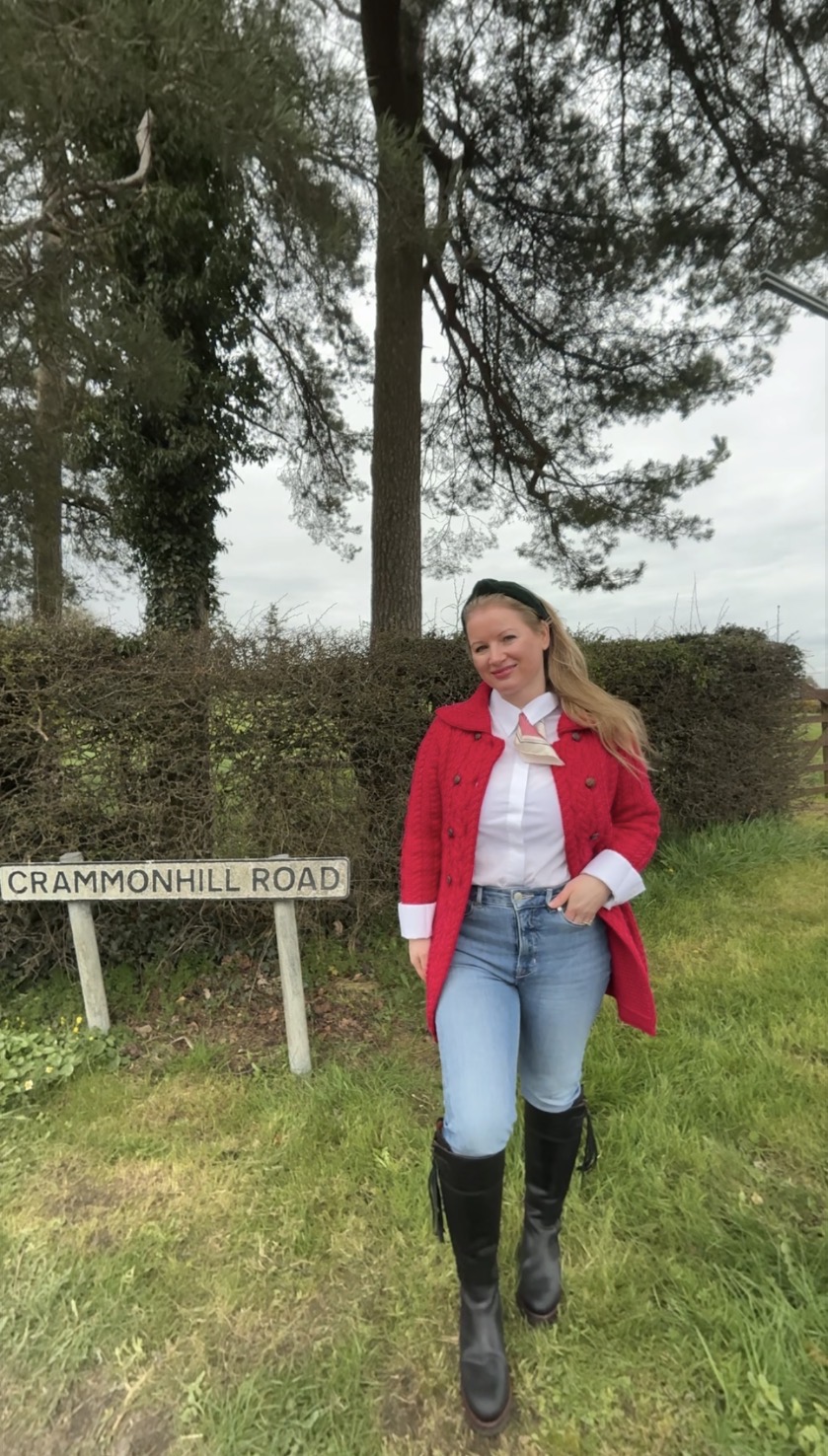
In the countryside outside Markethill, Co. Armagh – a place I’ve been connected to all my life. I now share a home there with my fiancé Lorcan, a DAERA vet, and our animals. It’s a life closely connected to family, community, farming and the land. Being Armagh-born, my roots continue to ground me in a strong farming connection which has been a guide to me in what matters in life.
Occupation
I am a CEDR Accredited Mediator, Harvard Law School trained Negotiator, and Communications professional, with a background in journalism at RTÉ News. I have over 25 years’ experience supporting people to navigate crisis and make informed decisions in their lives. I support individuals, families and organisations facing conflict – including rural and farming communities – through a voluntary, confidential and impartial process. Focused on early intervention, I help people have difficult conversations on succession planning, inheritance, partnership and boundary disputes, family separation and child arrangements, as well as elder and later-life planning. I support people to resolve their own disputes and find a better way forward without the stress, cost and uncertainty of court. My work is grounded in professional experience and lived understanding of litigation. Mediation offers an effective alternative to litigation. I place a strong focus on people’s wellbeing and peace of mind.
Farming commodity
I come from a long-standing family farm, where I became a fifth-generation farmer and the first woman to work the farm independently. With a mixed agricultural background ranging from Bramley apples to beef, farming for us was never just a commodity. It was a way of life rooted in the land, providing for family and carrying forward a legacy.
How did you become involved in farming?
Through family. My mother grew up on a farm in Co. Armagh, and my father grew up on a farm in Co. Monaghan, so farming was always part of our lives and shaped our family values. From having our own eggs to picking fruit to growing our own vegetables – something my father still does today – farming was something I was brought up in. Even fishing and hunting were part of that way of life growing up. My fiancé also comes from a farming family background in Co. Monaghan and with his profession and our similar interests, I’m grateful we can build a life together in agriculture in Co. Armagh.
Earliest farming memory
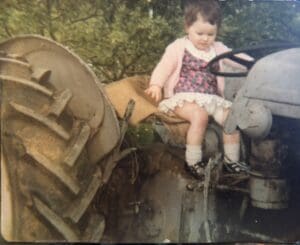
In the car with my siblings and my mother driving along Gosford Road in Markethill. I can still see the Gosford Forest Park trees reaching up into the sky. I knew where we were going – to the farm. I don’t quite remember sitting on my grandfather’s T20 as a toddler, but I do remember being on my grandparent’s farm, my mother holding my hand, looking in the barn door as my Uncle Hugh milked the cows, by hand. I remember the small stool he sat on and the bucket of meal nearby and the old milk jug on the kitchen table. I remember the smells and the feelings of love, nature and nurturing that farming evokes. It was home, to us all in the family.
What personal characteristics did you develop from agriculture?
I bring a calm, non-judgmental and compassionate approach to everyday life, at home and at work. I listen actively, seek to understand different perspectives and work respectfully with people to support constructive outcomes. Farming has shaped a strong sense of responsibility, patience and resilience in me. It has taught me that it’s important to stay true to your roots, while also adapting to change and taking a long-term view. It has also given me a unique insight into the realities of litigation within a farm family business, and the human, financial and relational costs of conflict.
Life lesson you learnt from farming
Farming has taught me how to care deeply, endure quietly, and keep going – no matter the season or the reason. The biggest lesson I’ve learned is that change is part of life, and how we respond to it – is everything. Generational change brings love and loss. Yet there is continuity, a sense of lineage, faith and trust in ourselves. As each generation moves forward in the same place, they don’t always move forward in the same way – whether that’s how you farm, or if you farm at all. What I’ve learned is that whatever path you choose, the foundations of farm life remain with you, in your resilience, your values and your sense of purpose. There can be hardship in farming, but through hope and with an open heart and open mind, growth happens. Doing what is right for you, as well as for the farm, is not only possible – it matters.
What do you enjoy most about the farming lifestyle?
What I enjoy most is the connection to nature and to nurturing. Farming brings a strong sense of routine and teaches patience. It tests your full capacity to care, give, love, lose, grieve and take responsibility. In doing so, it builds resilience. It keeps you grounded and close to the seasons and the natural cycle of farm life, from birth through to death, with all the challenges and celebrations that come with life.
Describe a farmer in three words
Accountable. Steward. Enduring.
What would you like the public to know about Northern Ireland farming?
There is a depth of care and commitment behind farming that isn’t always visible. It is a complex and highly skilled sector, often rooted in family and long-term stewardship. Decisions are rarely just commercial. They are personal and generational, shaped by responsibility to the land, to animal welfare and to those who will come after us.
We all have a part to play in the wider food system. Simple choices like supporting local produce, eating seasonally, valuing quality over quantity and reducing food waste can contribute to make a difference. Taking time to understand where food comes from, appreciating the standards behind animal welfare and supporting trusted assurance schemes all help build awareness and trust.
Respect for farming life also matters. Whether that is patience on the road around farm vehicles, respecting farm boundaries and biosecurity, being mindful of the countryside and environments we all share. This includes being responsible with dogs in rural areas, particularly around livestock such as sheep and lambs, where even well-behaved dogs can cause distress or harm. More broadly, supporting rural communities, engaging in positive conversations about farming and recognising the role farmers play in sustaining our food system can all contribute to a stronger, more sustainable future for agriculture.
If you could give farmers/farming families/farming community one piece of advice, what would it be?
Talk early and talk openly.
Farming carries responsibility, emotion and expectation, and it’s easy for issues to build over time. Creating space for honest conversations and seeking support where needed, like mediation, can ease pressure, protect wellbeing and support better outcomes for families and farms. Importantly, it can help avoid costly litigation.
What would you say to others who are considering a career in the agriculture industry?
Agriculture is evolving, and there are many pathways into the industry today. Bring a willingness to learn, an openness to change and a respect for the responsibility it carries. It’s a career that will challenge you, but it also offers purpose, connection and the opportunity to contribute to something essential in our world.
What are your hopes for the future of Northern Ireland’s agriculture industry?
While I support a future for agriculture that is sustainable, productive, resilient and environmentally responsible, my focus is on the human infrastructure behind the sector – the people, relationships and communication that underpin it.
My hope is for a more compassionate approach to farming towards our animals and towards ourselves, recognising that both animal welfare and human wellbeing matter. When we care for both, we strengthen the sustainability and future of farming.
I also hope that we continue to learn how to deal with issues early, to manage conflict and to prevent disputes from escalating and at times into the courtroom. Farming is deeply personal and can be solitary and isolating, which can make challenges harder to carry. Difficult conversations don’t get easier with time, but they do become more important. Communication is key.
Talk early and talk openly. It can make all the difference for families, relationships and the future of the farm. It’s important to know that help is there. Support exists, and reaching out is not a weakness.
Reaching out for help is a strength. To find out more about mediation you can contact me at www.roisinduffy.ie