
ANC farmers underpin NI livestock sector and remain central to the sustainability of many rural communities. This is particularly true across Severely Disadvantaged Areas (SDA), where predominantly grass-based livestock systems are often the only viable form of agriculture. However, the sector is currently facing significant pressures from rising production costs, structural policy changes and tightening margins across the supply chain.
Recent figures highlight a concerning trend within the sector, partly contributed to by the absence of ANC payments. Latest data indicates a 4% decline in both suckler cow numbers and ewe numbers in NI, signalling growing pressure on the viability of many livestock enterprises. This reduction raises concerns for the long-term sustainability of beef and lamb production, particularly as these sectors play a vital role in supporting the wider agri-food supply chain and rural economies.
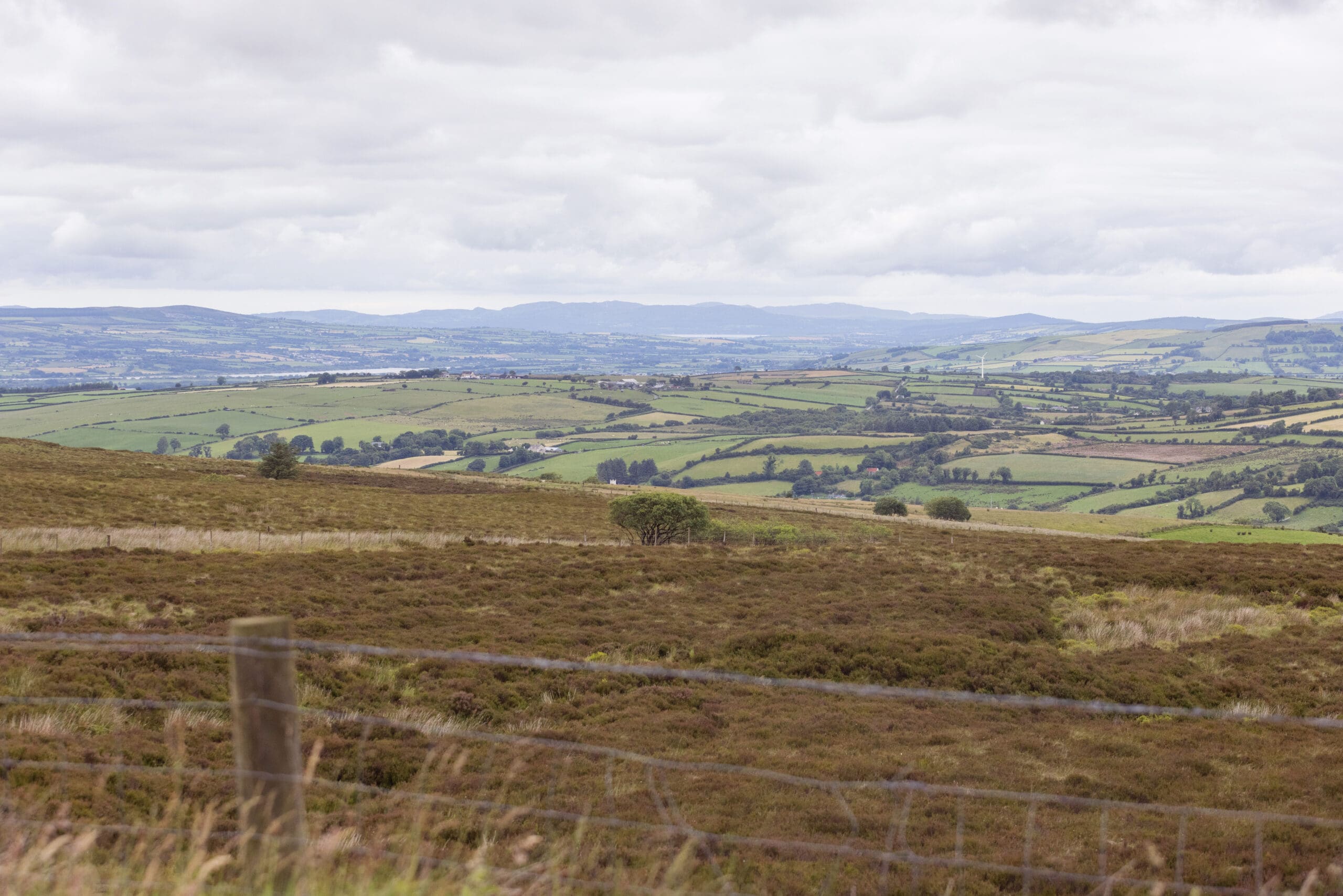
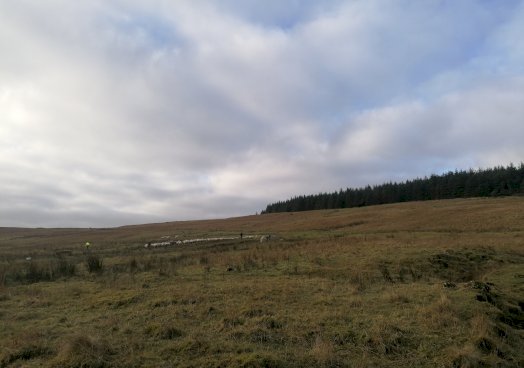
For many farmers farming ANC land it is more challenging due to the poorer quality which increases production costs. Steep terrain and fragmented land structures limit what ANC farmers can do with the land. ANC farmers are limited to grazing sheep and cattle in lower numbers due to lower availability of grazable grasses, herbs and plants. There is also longer winters and a short grazing period which require housing livestock for longer. Therefore, many ANC farmers will have higher production costs for feed, forage, overhead costs etc. ANC land is not as fertile and therefore forages from the land are of lower quality with a lower protein level therefore livestock are usually sold as stores at lighter weights. These challenges mean farmers in these areas often have higher costs per unit of production compared lowland systems. At the same time, these farms play a crucial role in maintaining rural landscapes, supporting biodiversity and sustaining the wider economy.
These pressures are further increased by changes within the future agricultural support schemes. Under the Sustainable Agriculture Programme (SAP), some ANC farmers have found themselves unable to access schemes such as the Beef Carbon Reduction, Suckler Cow or Protein Schemes. As a result, some ANC farm businesses are facing a reduction of up to 17% in their Farm Sustainability Payment, with limited opportunity to recover that loss of income in an already less profitable enterprise.
The need to recognise the constraints faced by farmers in ANC has previously been acknowledged through targeted policy support of the ANC payment which ended in NI in 2018. At the time the UFU strongly lobbied to keep the ANC payment but unfortunately at the time it was not continued. Therefore, the UFU has strongly welcomed the Sinn Fein private members bill to reinstate the ANC payment.
Across Europe, ANC payments remain a core policy tool to support farming in challenging environments. The European Commission estimates that around €18.7 billion of CAP funding between 2023–2027 will support farming in areas with natural constraints across 47 million hectares. In the Republic of Ireland, ANC payments remain a major support measure for farms operating on marginal land, with recent payments reaching over €180 million annually to almost 87,000 farmers. Similarly, Scotland continues to operate the Less Favoured Area Support Scheme (LFASS), designed specifically to sustain farming in fragile and remote areas and prevent land abandonment.
The UFU has continued to raise these concerns directly with policymakers and politicians at Stormont, highlighting the importance of ensuring that agricultural policy recognises the challenges in ANC. UFU has consistently warned that without adequate recognition of these constraints, there is a real risk of further reductions in livestock numbers and declining farm viability in many rural areas. We have already seen many rural areas being abandoned and the UFU would like to stop land abandonment in rural areas and sustain livestock numbers. Generational knowledge, skills and expertise of ANC farmers is also at risk of being lost and not being passed to the next generation.
For these reasons, the UFU supports the Private Members Bill currently being discussed, as it reflects the realities facing many ANC farmers across NI. Ensuring these farms remain viable is essential not only for food production but also for protecting rural communities, environment and the wider agri-food economy.