
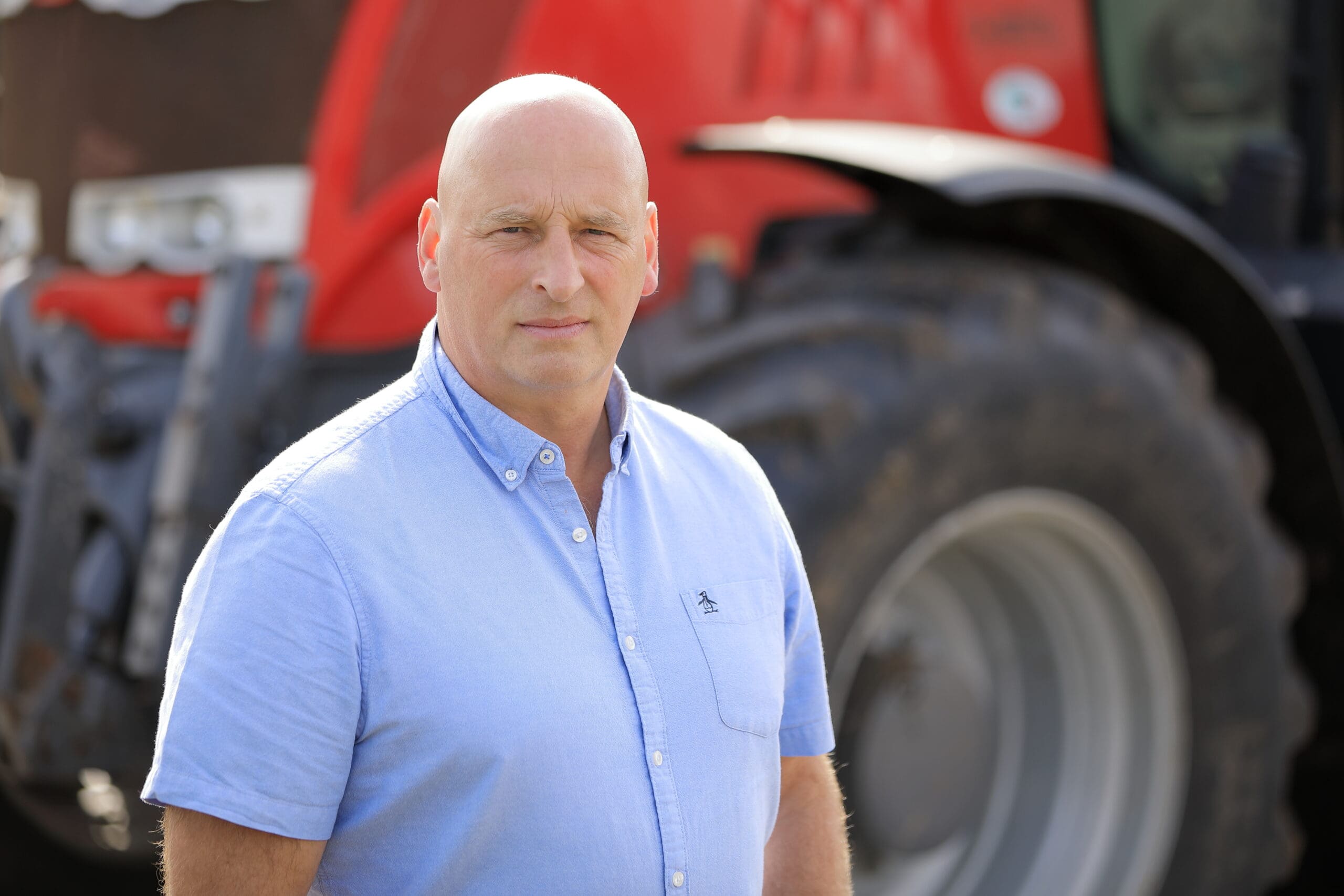
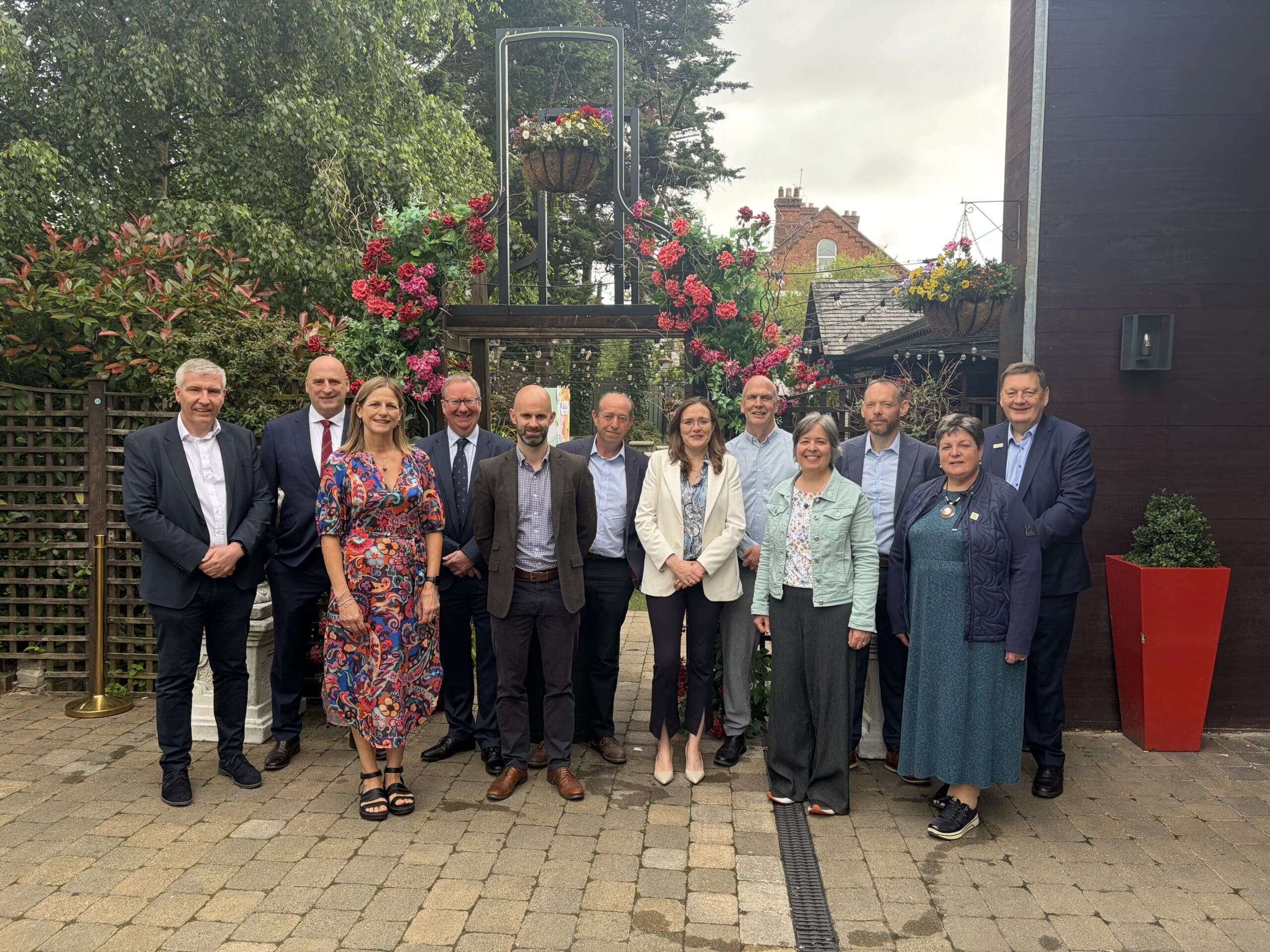
UFU president John McLenaghan
The Ulster Farmers’ Union (UFU) has said clarity, transparency and fairness will be critical as DAERA continues to develop its future Sustainable Agriculture Programme, including proposals around carbon footprinting at farm level.
DAERA has indicated that participation in a carbon footprinting project is intended to become a condition of the future Farm Sustainability Payment. While this is not currently underpinned by legislation, the Department has made clear its intention that such a measure will form part of future conditionality.
The UFU has always stressed that while there is a focus on improving sustainability and environmental performance, individual carbon footprinting must not become a mandatory requirement.
UFU Deputy President John McLenaghan said farmers and growers are under increasing pressure to meet new requirements, often without sufficient clarity around who is driving the change and how it will be valued. “If carbon footprinting is genuinely being required by the market, then all players in that marketplace need to be open and honest about that,” Mr McLenaghan said. “Processors, retailers and others in the supply chain must clearly state whether this is a market requirement, because ultimately that determines whether it becomes a business decision for individual farm businesses.”
The UFU believes participation in carbon footprinting should remain voluntary, allowing farmers and growers to decide whether it is right for their business, unless and until there is a clear, evidenced demand from the market. “This has to be a market-led decision,” Mr McLenaghan added. “If the market requires this information, then farmers should be rewarded and paid accordingly”.
The Union has also highlighted the need for clear communication from DAERA, particularly as the Department is currently out to tender for the delivery of the carbon footprinting programme. “There is a huge communication piece still to be addressed,” Mr McLenaghan said. “Farmers on the ground need to understand why this is being proposed, who is asking for it, how the data will be used, and crucially, what benefit or return there is for their business.”
“We understand the pressure and uncertainty our members are feeling,” Mr McLenaghan said. “That is exactly why it is so important that these discussions happen now, and that any future policy is properly communicated by DAERA and processors to local farmers from an early stage.”
Related Stories
UFU encourages farmers to examine Farming with Nature options
UFU calls for member engagement on new Nutrient Action Programme consultation