
For many farmers the busiest time of year on the farm is just around the corner. From sleepless nights to stressful days, it is extremely important farmers are prepared for the calving and lambing season. Early preparation prevents last minute stress and although not all scenarios can be avoided planning can help ease the stress.
Animal health
Firstly, it is essential that all planned vaccinations, worming and mineral treatments have been given in correct time before calving and lambing commence. Farmers are reminded that they should enquire in advance about vaccination stock after several years of vaccine shortages. It is also important to remember that calves and lambs will only benefit from the passive immunity of the vaccines if they receive adequate colostrum from the vaccinated mother. Check and treat for any foot care issues. Assess body condition score of the animals to ensure they are in the right condition for birth. Ideally animals should be “fit but not fat” and target body condition score (BCS) between 3 and 3.5. Animals with lower BCS will have lower colostrum quality and struggle with cycling again. An animal with a high BCS can face birthing difficulties. Animals BCS should be reduced if needed prior to the 6 weeks before calving and lambing.
Animal housing
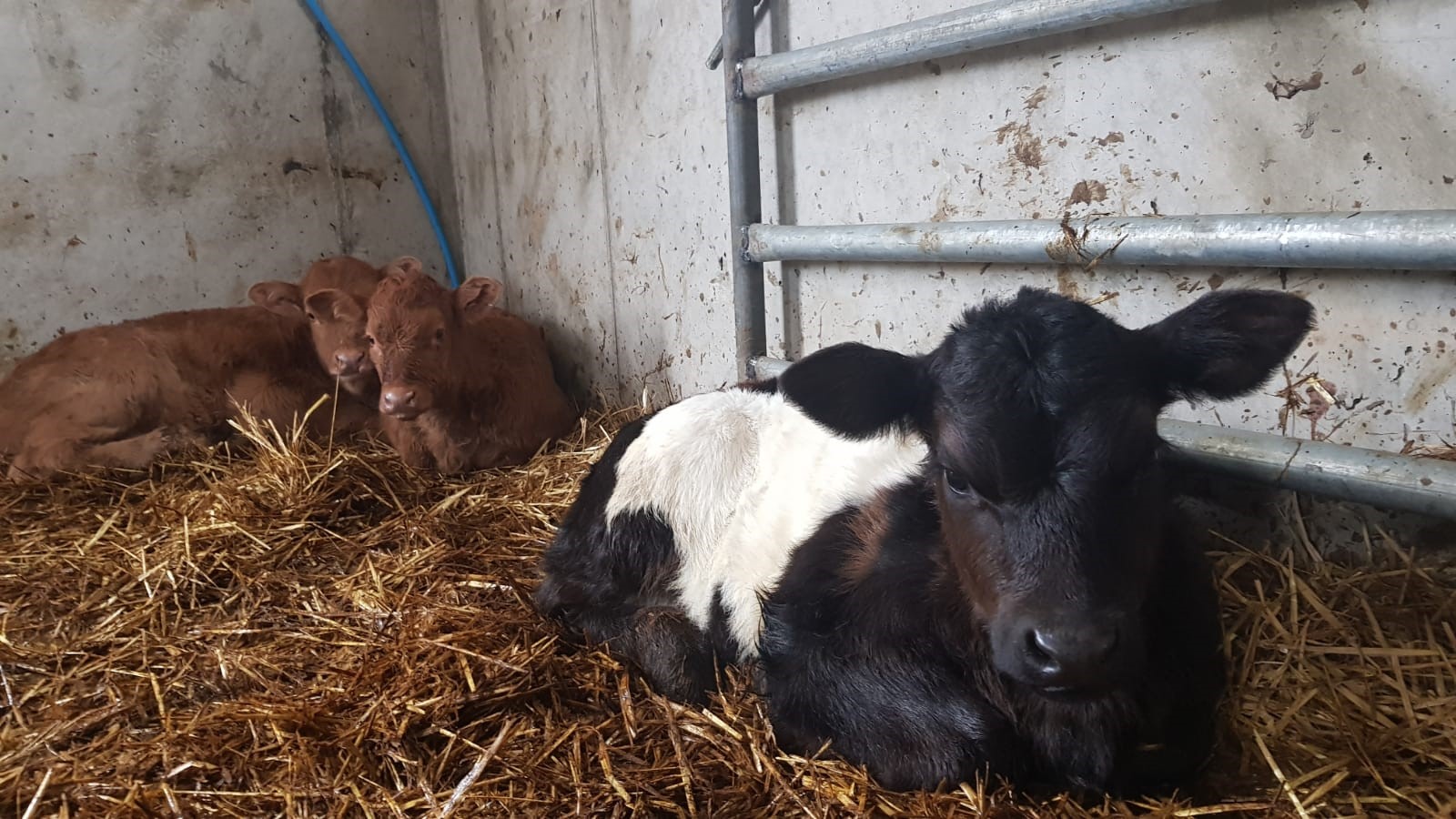
Prior to lambing and calving all animal housing should be power washed and disinfected. Group penning should not be overstocked and provide enough room for feeding and lying space as well as room for an animal to give birth. Ideally ewes should be scanned so they can be batched in pens according to their litter size to ensure they get the correct nutrition. Calving and lambing pens should be clean, dry, ventilated with adequate bedding e.g. straw so that the animal is comfortable. It is also essential that animal housing have proper lightening in the shed particularly for nighttime work. Livestock group and individual pens should be designed to maximise health and safety for the farmer and ideally a calving gate is an essential when calving cows.
Nutrition
During the last 3 months of pregnancy of a cow, 75-80% of the foetus calf growth takes place and in the last 6 weeks of pregnancy of a ewe, 90% of the lamb foetus growth takes place. Therefore it is very important that pregnant livestock receive the correct nutrition coming up to birth. During these stages cows and ewes’ appetites’ declines and therefore it is important that the energy and protein content of the diet is adequate for this period. Ideally farmers should test their silage to ensure livestock receive the right energy and protein content through additional concentrates.
Essential supplies
It is important to have essential supplies for lambing and calving purchased and ready to go to ensure a smooth birth. Essential supplies checklist should include the following; Lubricant, naval disinfectants e.g. iodine, colostrum, stomach tube/bottle, Calcijet/Magnijet, veterinary medicine, post calving minerals, electrolytes, thermometer, warming equipment e.g. heat lamb, heat box etc., marking supplies e.g. spray paint, disposable gloves, calving aid (checked and serviced), ropes etc. Farmers should also have their local vet number handy in the case of emergencies. If farmers use cameras in sheds they should also check prior to lambing and calving that they are working correctly. Close access to hot and cold water is also a necessity.
Early preparation is key for a successful lambing and calving season. It reduces losses, improves welfare and makes farmers workloads more manageable.
Related Stories

Strategic importance of the UK’s uplands must be recognised, say UK farming unions
UFU Meets MEP to Discuss Concerns Over Brazilian Beef and Poultry Imports