
In April 2025, the TB Partnership Group’s Bovine TB in Northern Ireland: Blueprint for Eradication noted an action to develop and pilot a regionalised approach for the implementation of novel measures, including new partnership working, using the results as a ‘proof of concept’ for deploying any such measures on a country wide basis. The initial aim of the regionalisation project was to select a region within NI which would have a mid-high risk level for bTB and apply comprehensive wildlife, cattle and people measures in combination to determine the optimal measures for bTB control and future eradication.
The DAERA proposed project is going to have a big impact on NI farmers, and UFU are concerned that farmers are signing up to being part of this project without knowing exactly what it entails for them. DAERA need to provide clarification to farmers on what measures will be implemented and how this will affect the industry into the future. Without this, it is impossible for farmers to make an informed decision about whether to sign up to the programme and for the programme to move forward.
The proposed regionalisation project is a cross-border partnership with DAERA and DAFM, supported by Shared Island funding. As part of this joint project, regions across both NI and ROI have been chosen and similar wildlife, cattle and people measures will be rolled out in both regions.
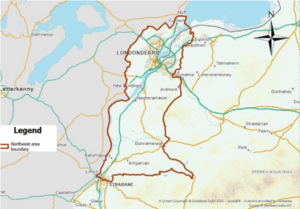
The above diagram shows the area selected by DAERA for the NI part of the regionalisation project. DAFM intend to establish a similar 250km2 pilot area across the border however currently members of the TBPSG have not been informed of the exact outline of this area. DAERA state that the area was decided based on shared island objectives, taking into consideration levels of bTB infection in the area, herd demographics, wildlife programme capability, and levels of inward movement of Mycobacterium bovis into the proposed region.
This regionalisation project proposes a new badger and sett survey to be carried out between December 2025 and April 2026 based on the previous methodology (field walks and wildlife cameras). UFU have pushed for DAERA to consider using other novel methods, such as thermal imaging and drone surveys however to date the proposed methodology has not changed. The methodology identifies 17 areas to be surveyed, and permission from landowners is currently being sought.
DAERA propose to undertake two years of a Test, Vaccinate or Remove (TVR) programme on badgers within the regionalisation area, with the aim that the results of TVR will guide the remaining years of the programme and changes may be made to the wildlife intervention method in this area.
Cattle measures, including six-monthly skin testing for all herds, enhanced use of IFN-g testing and the possibility of pre- and/or post- movement testing have been discussed and proposed however UFU are currently unsure as to which measures will be implemented and whether these will be on a voluntary or compulsory basis and what impact these may have. Along with this, people measures such as the delivery of bespoke on-farm biosecurity advice are also in consideration with DAERA, but UFU and other organisations have been providing feedback to DAERA as we have significant concerns with the direction of these measures.
Overall, UFU have grave concerns about the regionalisation project as it stands. The proposed area is not representative of the NI bTB picture as a whole, with a lower than average annual herd incidence rate and lower cattle numbers, which may provide the department with skewed results which would jeopardize the industry in future years.
DAERA are reluctant to use novel technologies for the badger sett surveys, instead remaining with outdated methodologies which could provide underreported numbers and be detrimental to the rest of the project. Alongside this, considering TVR as the most severe level of intervention for the regionalisation project is restricting the progress for the future of NI wildlife intervention. As the minister has proposed to consult on all options for wildlife intervention in 2026, the regionalisation programme would have been a good opportunity to trial all options in the current NI environment, including a full badger cull, to gather scientific evidence for future decisions.
The DAERA proposed cattle measures are going to be difficult to implement without being provided the correct knowledge in advance. DAERA need to provide clarification to farmers on what measures will be compulsory, voluntary, and the effect these measures will have on any movement in or out of the regionalisation area. UFU are concerned that farmers will be signing up to the project without knowing the full story and we need to be certain that the benefit of the project will outweigh the cost to the industry.